
Not Native to Indonesia, How Chili Peppers Traveled from the Americas to Become an Essential Part of Indonesian Cuisine

info Adjust the font size of this article to get the best reading experience.
DENPASAR – Not Native to Indonesia! How Chili Peppers Traveled from the Americas to Become an Essential Part of Indonesian Cuisine.
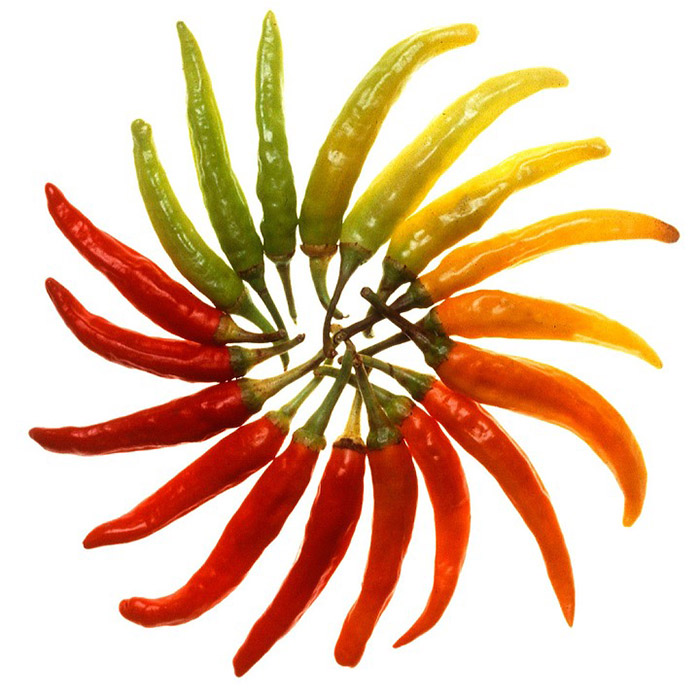
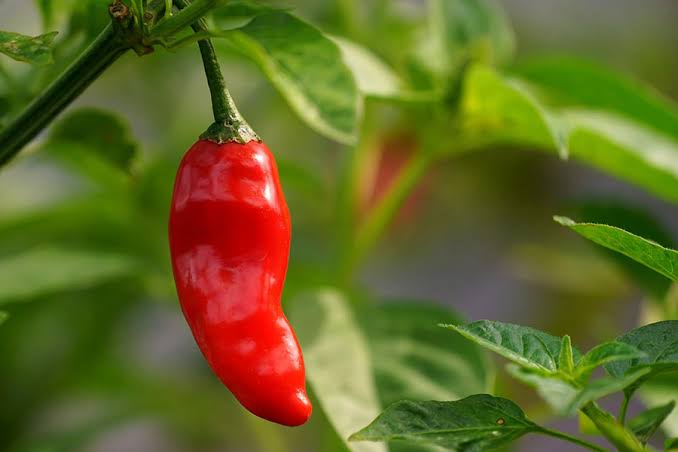
Although chili peppers are now inseparable from Indonesian cuisine, the fiery fruit is not native to the archipelago. Historical and botanical studies show that chili peppers (Capsicum) originated in the Americas before spreading across the globe through European exploration and international trade.
According to research by botanist Tutie Djarwaningsih of Indonesia’s National Research and Innovation Agency (BRIN), published in the journal Biodiversitas, chili peppers were first consumed by Indigenous peoples in the Americas as early as 7,000 BC. Archaeological discoveries in Ocampo Cave, Tamaulipas, and Tehuacan, Mexico, uncovered fragments and seeds of wild chili peppers dating back to around 5,000 BC. The seeds were identified as Capsicum annuum, commonly known as red chili.
The study suggests that chili peppers were domesticated between 5,200 BC and 3,400 BC, making them among the oldest cultivated crops in the Americas. For Indigenous communities, chili peppers ranked among the most valued plants after maize and cassava and played an important role in religious ceremonies and cultural traditions.
Botanical records from the Royal Botanic Gardens, Kew, also identify Mexico and Guatemala as the native habitat of chili peppers. In the wild, the plants thrive in forests, savannas, shrublands, grasslands, and mountainous regions at elevations ranging from 5 to 1,700 meters above sea level.
The global journey of chili peppers began in 1492 when Christopher Columbus encountered the crop during his voyage to the Americas. By 1542, Portuguese traders had introduced chili peppers to India, from where they spread throughout Asia, eventually reaching Southeast Asia, including present-day Indonesia.
Today, the genus Capsicum consists of around 30 species, with five widely cultivated for commercial purposes: Capsicum annuum, Capsicum frutescens, Capsicum pubescens, Capsicum baccatum, and Capsicum chinense. In Indonesia, the most commonly grown species are Capsicum annuum, which includes large red and curly red chilies, followed by Capsicum frutescens, better known as bird’s eye chili.
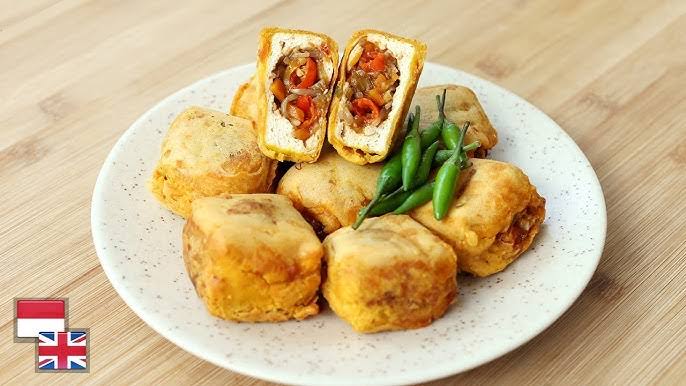
Despite their foreign origin, chili peppers have become an indispensable ingredient in Indonesian cooking. Across the country, they are used in countless traditional dishes and sambal recipes, shaping the bold flavors that define Indonesian cuisine.
“Every dish contains chili. Even our traditional specialty, pindang, would not taste the same without it,” said Ima, a resident of the Penesak ethnic community in Ogan Ilir, South Sumatra, during an interview at Tanjung Batu Traditional Market.
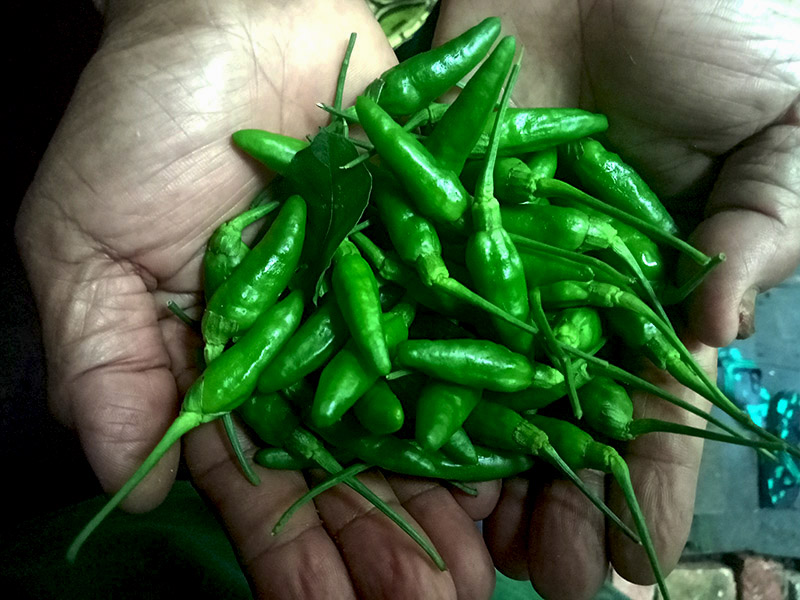
Local chili trader Nenti, from Beti Village in South Indralaya District, said consumers generally seek three main varieties: bird’s eye chili, curly red chili, and large red chili. According to her, those who prefer extremely spicy food overwhelmingly choose bird’s eye chili.
Beyond its culinary appeal, chili peppers also offer significant health benefits. Nutrition experts note that they are rich in vitamin C, vitamin B6, dietary fiber, antioxidants, and essential minerals. Chili peppers also contain capsaicin, the compound responsible for their spicy heat, which has been associated with anti-inflammatory properties and potential health benefits.
Another important antioxidant found in red chili peppers is capsanthin, a natural pigment that studies suggest may help protect cells from oxidative damage and contribute to cancer prevention research.
From ancient civilizations in the Americas to dinner tables across Indonesia, chili peppers have traveled thousands of miles over several centuries. While they may not be native to the archipelago, they have become one of the defining ingredients of Indonesian gastronomy and an irreplaceable part of the nation’s culinary identity.
This version follows a news feature style in clear journalistic English while avoiding plagiarism and maintaining factual accuracy.
Editor – Ray



















At the moment there is no comment