
FKIK Warmadewa Trains Goa Lawah Tourism Group in Basic Life Support and Health Preparedness

info Adjust the font size of this article to get the best reading experience.
Health training at Goa Lawah equips tourism volunteers with emergency response skills, infection prevention knowledge, waste-management awareness and basic health services for elderly residents.
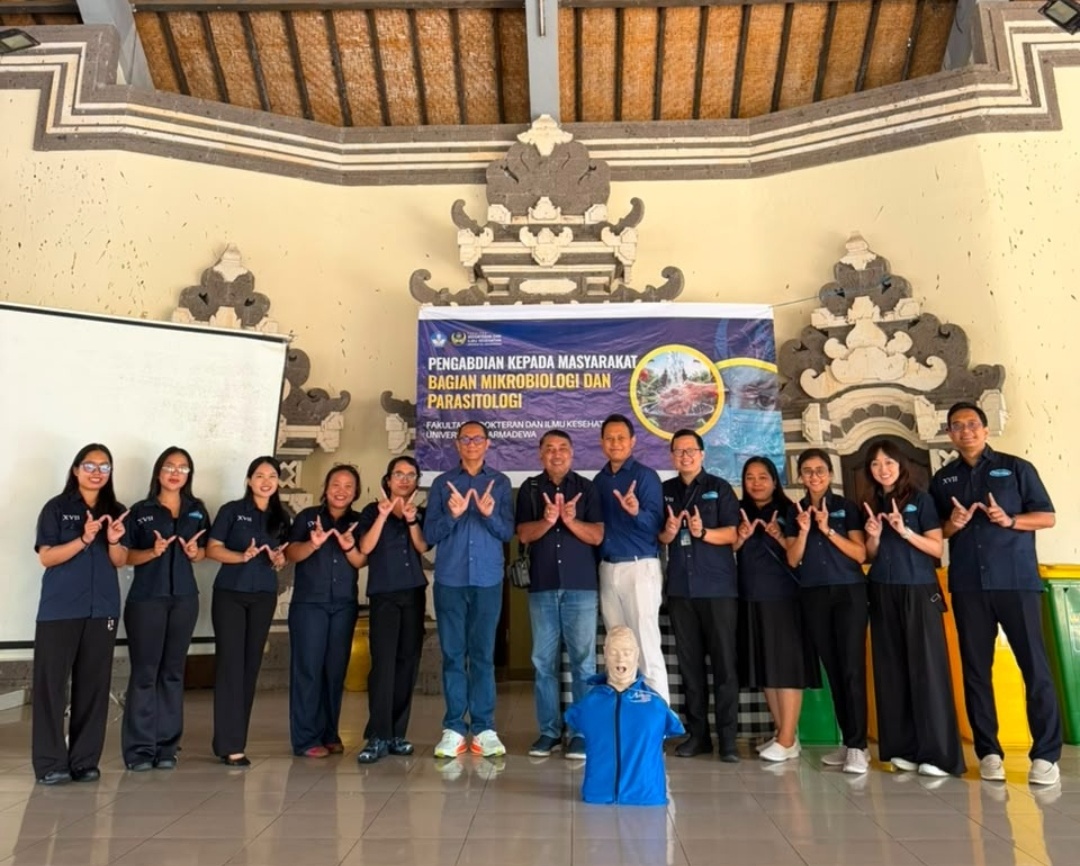
KLUNGKUNG — The Faculty of Medicine and Health Sciences (FKIK) at Warmadewa University is strengthening community health preparedness at the Goa Lawah tourism area in Pesinggahan Village, Klungkung Regency.
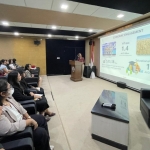
Through a community service program held on Saturday, August 22, 2026, the Department of Microbiology and Parasitology of FKIK Warmadewa University provided training for the local Tourism Awareness Group (Pokdarwis) on Basic Life Support (BLS), infection prevention and waste management.
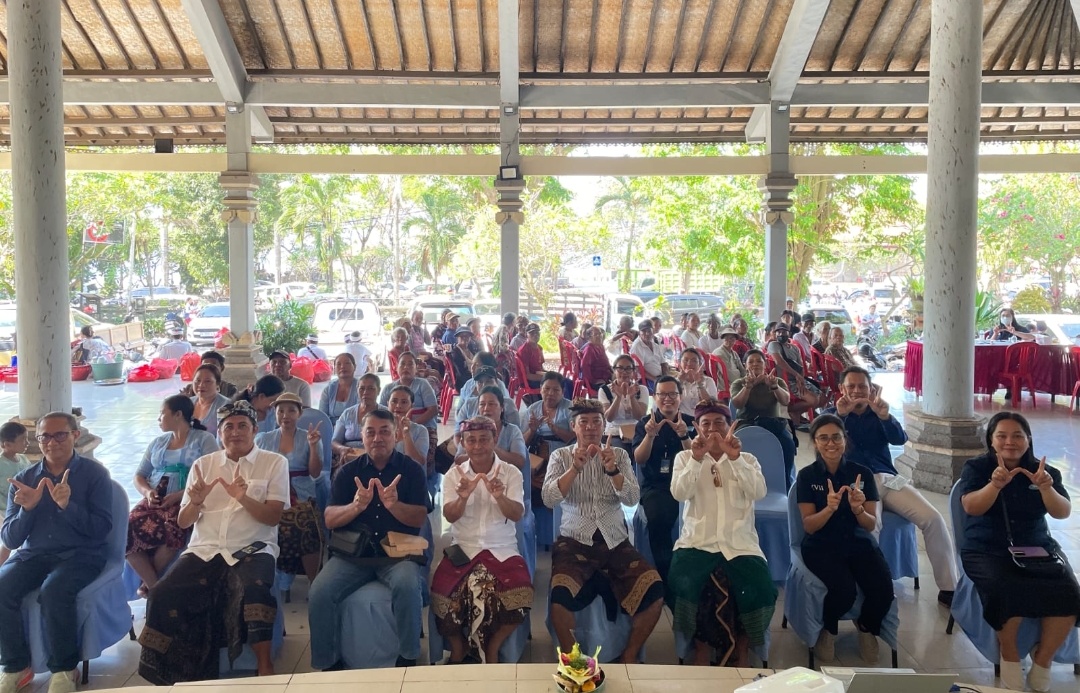
The program brought together village government representatives, customary community representatives, Goa Lawah temple managers, health workers, Poskesdes personnel and Village Alert Health cadres.
The Dean of FKIK Warmadewa University said the program was designed not merely to deliver theoretical information, but to provide practical knowledge that participants can apply in real situations.
“We want this program to deliver benefits that can be directly felt by the community. For Pokdarwis members who are present every day in a tourism area, knowledge of first aid, disease prevention and environmental hygiene is particularly important,” the dean said.
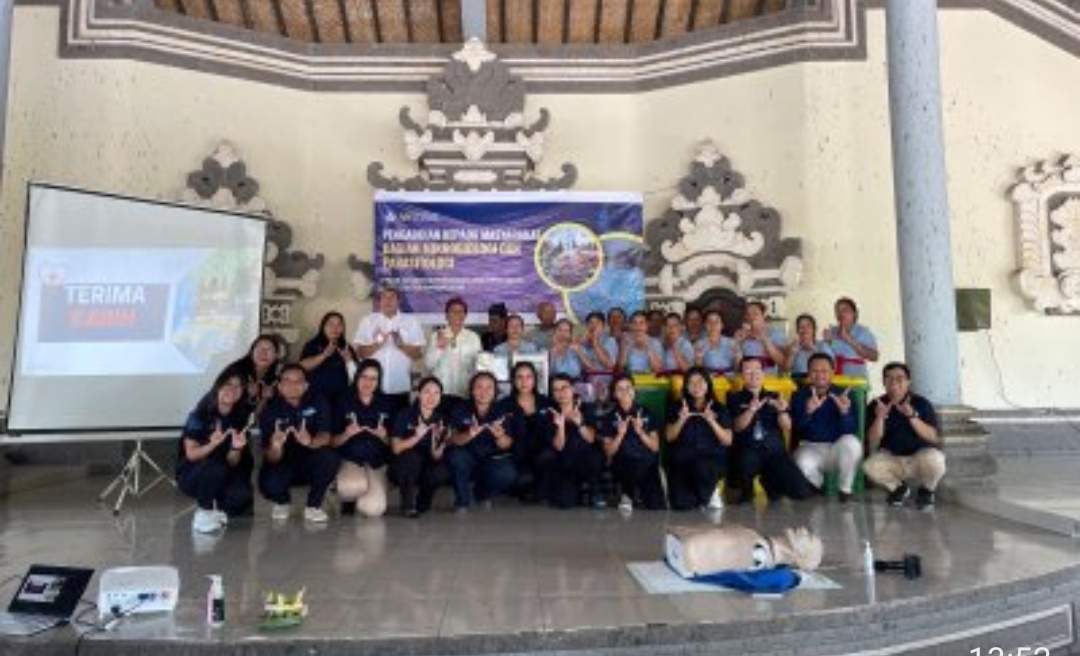
One of the main sessions focused on Basic Life Support, delivered by dr. Putu Arya Suryanditha, M.Si. He explained that people at tourism destinations can play an important role in providing immediate assistance when an emergency occurs.
“When an emergency happens, the first few minutes are critical. That is why people working in tourism areas need basic skills to provide initial assistance while waiting for medical help,” said dr. Putu Arya Suryanditha.
The BLS training is in line with FKIK Warmadewa’s broader community-service activities, including previous programs involving emergency-response training.
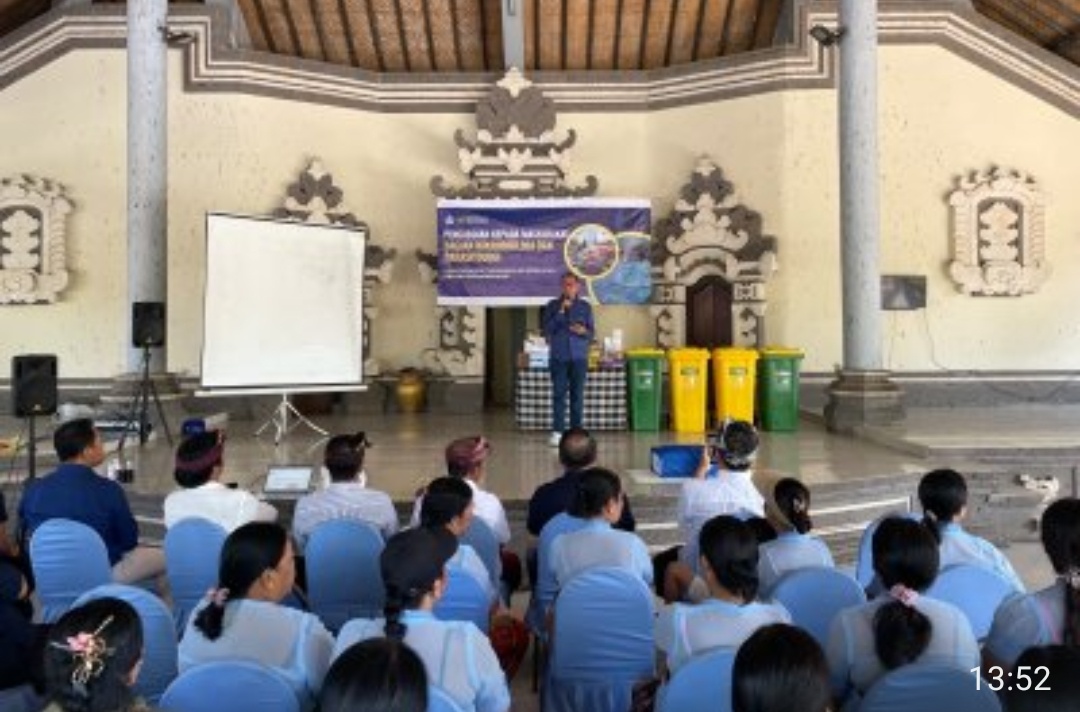
Participants also received education on infectious disease prevention from Ageng Wiyatno, S.Si., M.Biomed., a collaborator from the Mochtar Riady Institute for Nanotechnology.
He emphasized that infection prevention can begin with simple habits in everyday life, particularly maintaining personal and environmental hygiene.
“Infection prevention can actually start with our daily habits. Maintaining personal hygiene, keeping the environment clean and adopting clean and healthy behaviors are important steps in breaking the chain of disease transmission,” Ageng Wiyatno said.
Waste management was another key component of the program because Goa Lawah serves both religious activities and tourism. The session was delivered by Ir. I Gede Sutapa, MP., of the Faculty of Agriculture at Warmadewa University.
“Waste management must begin at the source. Communities and area managers need to develop the habit of sorting and handling waste properly so that the environment remains clean and does not create health problems,” Sutapa said.
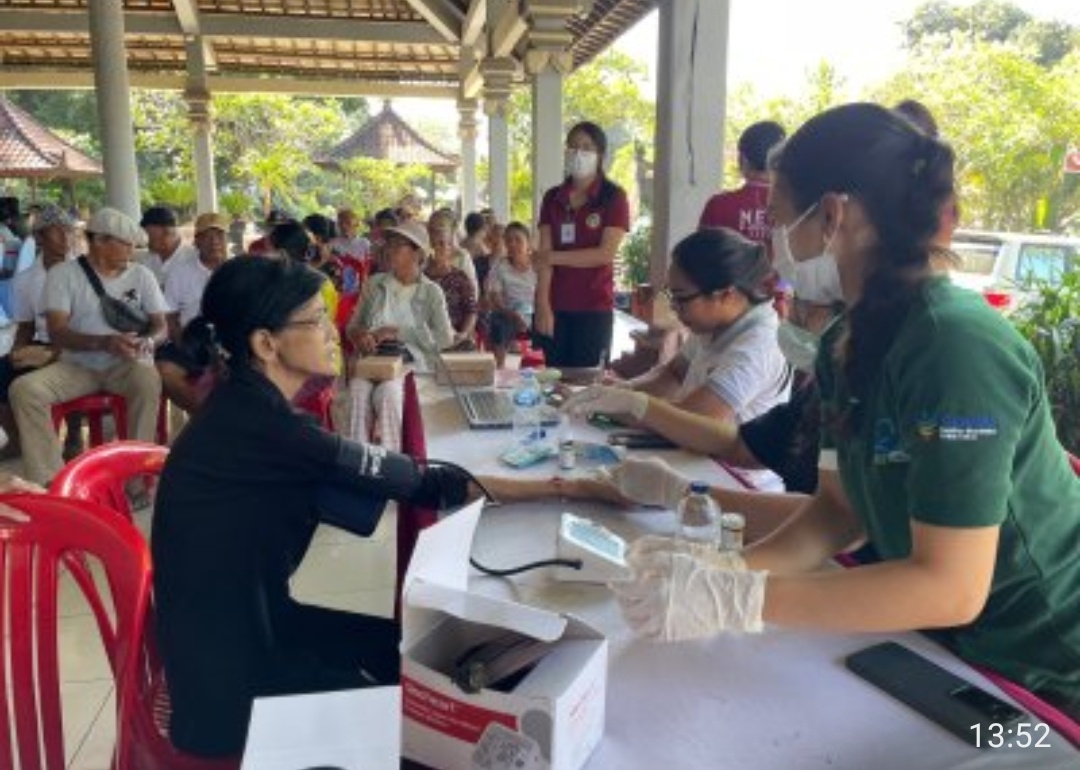
The community service program also included a social service activity for elderly residents. A total of 30 elderly people received blood-pressure and blood-sugar checks, along with basic food assistance.
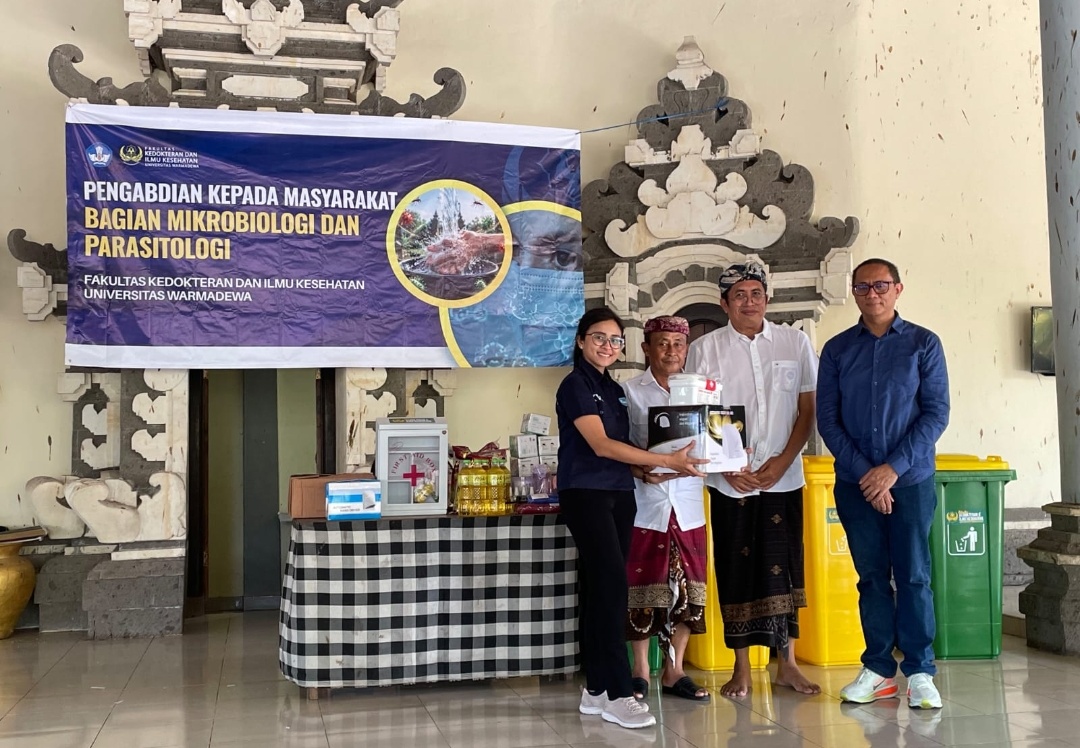
FKIK Warmadewa University also provided facilities to support health and cleanliness around the Goa Lawah area. The assistance included four waste bins, two first-aid kits, three hand dryers and the construction of a water tower.
To measure how effectively participants understood the training, the organizers conducted both pre-tests and post-tests for Pokdarwis members.
The FKIK dean said the assessment was important to ensure that the program produced measurable learning outcomes rather than stopping at the delivery of information.
“We do not want this activity to stop at the delivery of material. Therefore, we conducted pre-tests and post-tests to assess participants’ understanding and use the results as an evaluation of the program,” the dean said.
The activity continued until midday and concluded with a communal lunch.
The program reflects FKIK Warmadewa University’s commitment to implementing the university’s three pillars of higher education through community-based programs, particularly in health preparedness, emergency response, infectious disease prevention and environmental management.
Editor – Ray
- Author: Ray









At the moment there is no comment