
Bali Fuel Crisis Exposes Distribution Failures, IHGMA Demands Accountability and Urgent Reform

info Adjust the font size of this article to get the best reading experience.
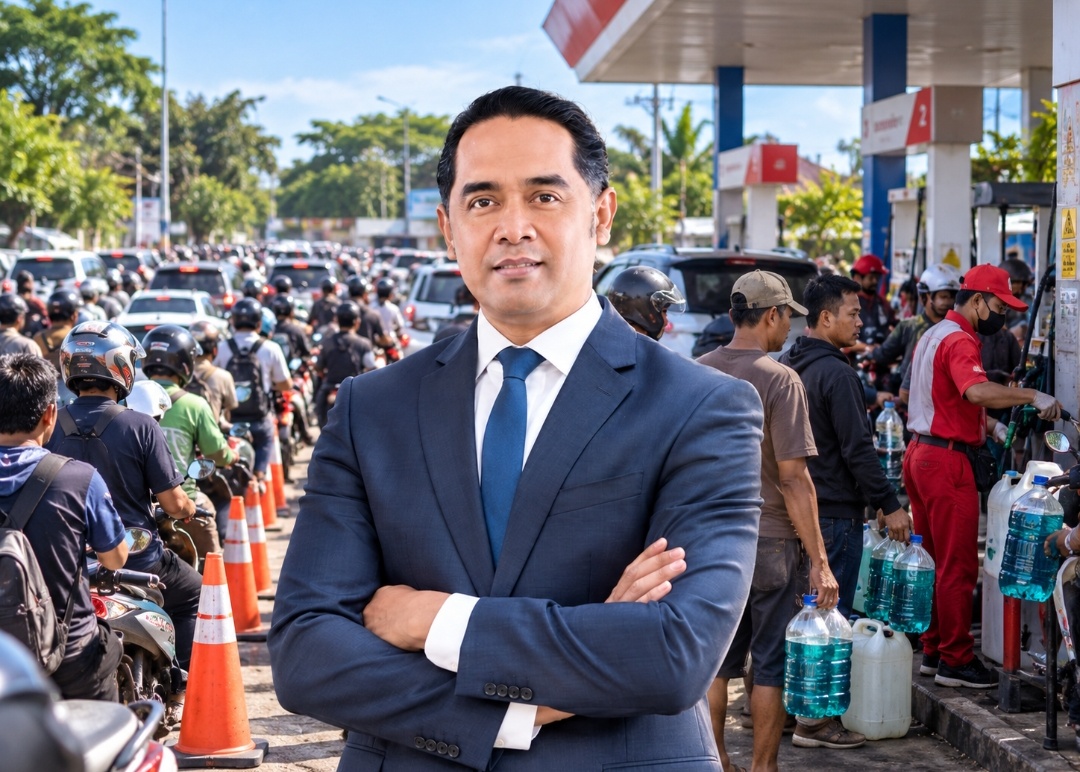
IHGMA DPD Bali warns prolonged fuel disruption threatens tourism operations, public confidence and the island’s international reputation, urging the government and Pertamina to overhaul distribution management and strengthen crisis preparedness.
BALI, October 19, 2026 — The Indonesian Hotel General Manager Association (IHGMA) Bali Chapter has called for a comprehensive review of Bali’s fuel distribution system, warning that the recent fuel crisis has exposed weaknesses in supply management, interagency coordination and public crisis communication.
The association stressed that the disruption, which began on October 11, 2026, must not be dismissed simply because queues at several fuel stations reportedly began easing on October 17–18. Without meaningful reforms, similar disruptions could recur, placing additional pressure on residents, businesses and Bali’s tourism-dependent economy.
Ratu Agung Bagus Ngurah Putra, S.Tr.Par., M.Tr.Par., CHA., CHE., chairman of IHGMA DPD Bali, said the incident should serve as a serious warning about the island’s preparedness for disruptions affecting essential infrastructure.
“This fuel crisis is not merely a question of energy availability. It is a test of our distribution system, institutional coordination, crisis communication and the operational resilience of industries that depend on mobility,” he said in the association’s official statement released on Monday, October 19, 2026.
IHGMA DPD Bali argued that assurances about sufficient fuel stocks at storage terminals are not enough if consumers continue to face long queues and difficulty obtaining fuel at individual filling stations.
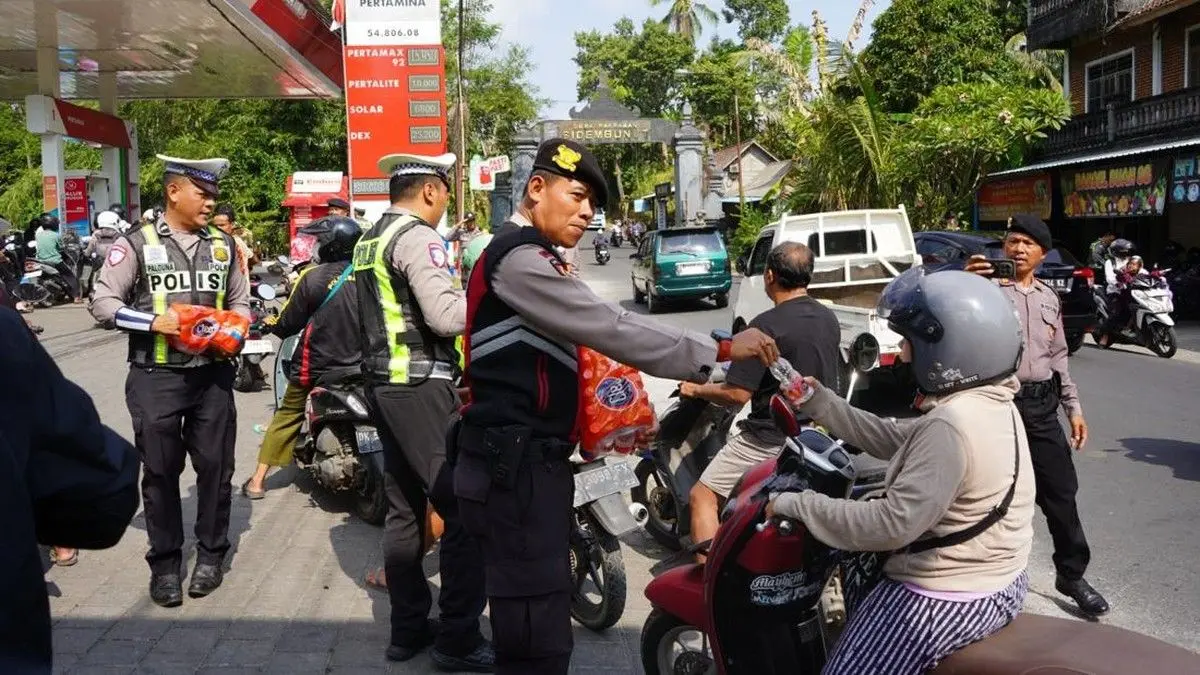
The association urged the government and Pertamina to distinguish clearly between fuel held in storage, incoming shipments, distribution capacity and actual availability at retail outlets. Regular, consistent and accessible updates are needed to prevent uncertainty, panic buying and the spread of misleading information.
The organization’s assessment draws on an internal survey conducted among its members between October 14 and 17, examining the operational consequences of the disruption, mitigation measures adopted by hotels and recommendations for policymakers.
The survey highlights three major pressure points: disrupted tourist mobility, employee attendance problems and delays in the delivery of operational supplies.
A total of 228 recorded responses identified travel delays, transportation disruptions and traffic congestion. These problems threaten the reliability of airport transfers, guest pickups, sightseeing schedules and other tourism services that depend on predictable travel times.
Employee attendance was another major concern, with 241 responses reporting workers arriving late. In an industry built around shift schedules and continuous guest services, such delays can increase workloads, complicate shift changes and undermine service consistency.
Supply-chain disruption was also evident. Another 228 responses reported delayed deliveries of goods and logistics, while 20 indicated supply interruptions or vendors being unable to complete deliveries.
These disruptions could affect the availability of food, beverages, linen, cleaning materials and other essential hotel supplies.
The survey also recorded 215 responses in a separate category indicating other operational and internal mobility problems. Fourteen responses expressed concern about Bali’s destination reputation, while four pointed to the possibility of declining bookings or demand.
IHGMA emphasized that these figures represent response frequencies within its internal survey, not percentages or a representative measurement of the entire hotel industry across Bali. Nevertheless, the findings indicate how a fuel distribution problem can spread across transportation, staffing, logistics and the visitor experience.
The international dimension has added urgency. Reports published on October 14 by international media, including the Associated Press, Channel News Asia, the South China Morning Post and Euronews, brought the disruption to the attention of audiences outside Indonesia.
For a destination dependent on international visitors, IHGMA said, restoring fuel availability must go hand in hand with restoring confidence in Bali’s transportation systems and tourism services.
IHGMA Rejects Reactive Crisis Management
Ratu Agung Bagus Ngurah Putra stressed that extending fuel station operating hours alone cannot guarantee effective crisis management. Round-the-clock operations require sufficient staffing, properly managed shifts, adequate rest periods, workplace safety measures and support for controlling traffic and queues.
“Extending service hours must be accompanied by adequate operational support. Distribution should not depend solely on increasing employees’ working hours. Personnel planning, security support and traffic management are equally important,” he said.
The association also called for stronger coordination among the Bali provincial government, Pertamina, security authorities, fuel station operators and other relevant agencies.
It welcomed the direct involvement of Bali Governor Wayan Koster in meeting members of the public during the disruption, while emphasizing that crisis response must not depend on the presence or actions of a single official.
IHGMA wants clearer responsibilities, stronger field coordination and faster decisions to address delivery bottlenecks, manage queues and ensure that public information accurately reflects conditions on the ground.
The association further warned that crisis communication must go beyond general assurances that fuel supplies are sufficient. Authorities should provide practical updates on operating fuel stations, actual availability, distribution schedules, recovery measures and guidance for residents and visitors.
Tourism agencies and industry organizations should also be involved in communicating verified information to hotels, travel agencies, drivers, transport providers and international partners.
Hotels Adopt Emergency Measures to Protect Guests and Operations
Despite the disruption, IHGMA members reported taking steps to maintain services and limit the impact on guests.
The survey recorded 221 responses identifying updated communication with guests as a key mitigation measure. Another 23 cited transportation arrangements, itinerary adjustments and recommendations that guests depart earlier than scheduled.
To maintain staffing continuity, 229 responses identified adjustments to shifts, working hours and tolerance for late arrivals. Another 26 reported providing temporary accommodation for employees.
Hotels also strengthened inventory planning. A total of 229 responses cited increasing buffer stocks and ordering supplies earlier, while 22 emphasized closer coordination with suppliers and vendors.
These measures demonstrate the efforts made by hospitality businesses to keep operations running despite uncertain transportation and delivery conditions. However, the association acknowledged that individual hotels have different financial resources, operational capacities and abilities to absorb prolonged disruptions.
IHGMA therefore argued that private-sector mitigation cannot replace the need for a reliable public distribution system and coordinated government intervention.
Seven Demands for Fuel Distribution Reform
Based on its internal assessment, IHGMA DPD Bali outlined seven priorities for the government and relevant stakeholders.
First, the government and Pertamina must improve fuel demand forecasting and establish adequate reserves, taking into account local consumption, population mobility, tourism activity, transportation and logistics requirements.
Second, authorities must establish an accessible and transparent information system showing fuel availability, operating stations, distribution schedules and recovery progress.
Third, coordination must be strengthened among the government, Pertamina, security agencies, tourism organizations, transport operators and hospitality businesses. A total of 211 survey responses highlighted the importance of coordination between government, Pertamina and industry.
Fourth, Bali needs an early-activation crisis protocol based on measurable indicators, including rising waiting times, declining fuel availability and disruptions to transportation or logistics services.
Fifth, distribution oversight and law enforcement must be strengthened to address suspected hoarding, distribution abuses and sales at unreasonable prices, with investigations based on evidence and applicable law.
Sixth, emergency planning should consider measured distribution priorities for essential services, public transportation, healthcare, emergency response, food logistics and tourism operations directly affecting visitor services, without disregarding the public’s right to access fuel.
Seventh, Bali must establish an integrated tourism crisis communication mechanism to deliver consistent, verified and timely information to visitors, hotels, travel agencies, airlines and international partners.
The association believes these measures would help authorities respond before a disruption escalates into a wider crisis, rather than waiting until queues and public anxiety have intensified.
Tourism Reputation Must Be Protected
IHGMA DPD Bali acknowledged the efforts of the government, Pertamina, security authorities and businesses to restore services. However, it warned that declining queues should not become an excuse to abandon a thorough evaluation of the incident.
“Bali’s reputation as a world-class tourism destination must be supported by reliable, transparent and resilient infrastructure and distribution systems for essential needs,” Ratu Agung Bagus Ngurah Putra said.
He added that IHGMA DPD Bali stands ready to work with the government and other stakeholders to strengthen crisis preparedness, maintain continuity in hospitality services and protect the interests of both residents and visitors.
The association’s position is clear: restoring normal fuel distribution is only the immediate objective. The longer-term priority is to ensure that Bali has a more accountable, coordinated and resilient system capable of preventing another disruption from escalating into a crisis of public and international confidence.
Editor – Ray
- Author: Ray













At the moment there is no comment