
North Bali International Airport Mission Strengthened by Ternate Sultanate Heritage, PT BIBU Emphasizes Development Rooted in History

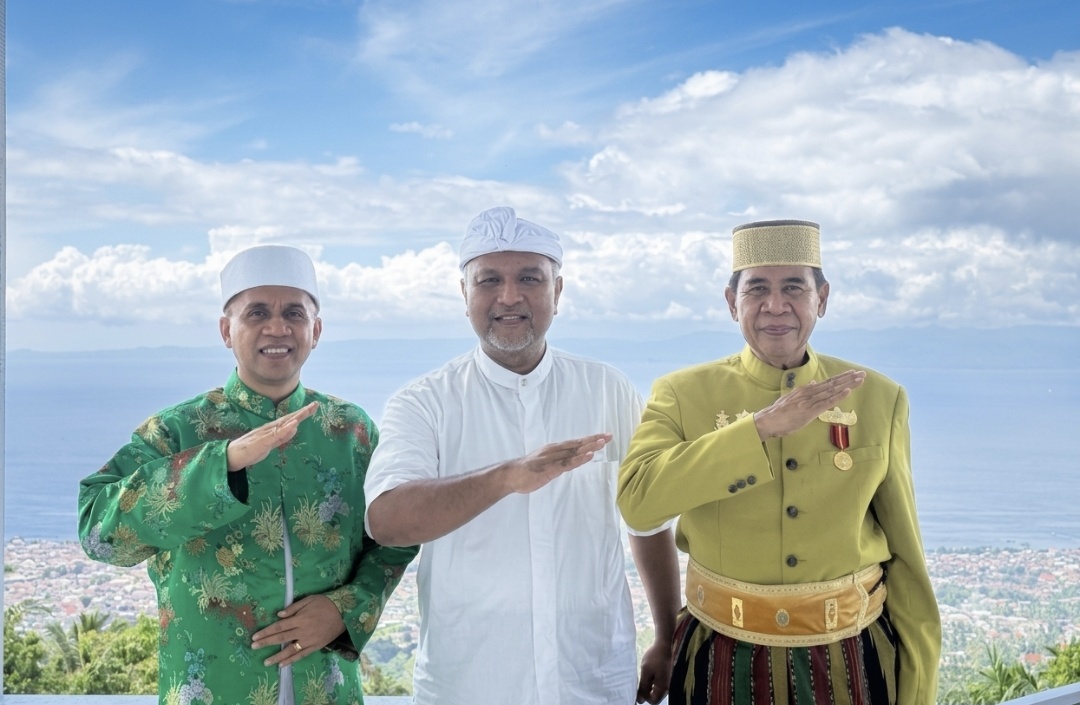
President Director of PT BIBU Panji Sakti, Erwanto Sad Adiatmoko Hariwibowo, together with His Excellency Retired Brigadier General of Police Dr. A.A. Mapparessa, M.M., M.Si., Karaeng Turikale VIII of Maros, Chairman of the Forum Silaturahmi Keraton Nusantara (FSKN).
info Adjust the font size of this article to get the best reading experience.
JAKARTA – The vision behind the North Bali International Airport extends beyond the construction of a major transportation hub. For PT BIBU Panji Sakti, the project represents a national development initiative that integrates infrastructure with Indonesia’s historical legacy, cultural heritage, and civilization.
That commitment was reflected during a visit by PT BIBU Panji Sakti President Director Erwanto Sad Adiatmoko Hariwibowo and representatives of the Forum Silaturahmi Keraton Nusantara (FSKN) to Ternate, North Maluku, from July 4 to 6, 2026.
Rather than beginning discussions with investment strategies or engineering plans, the delegation first paid tribute to the historical sites of the Ternate Sultanate. The symbolic gesture underscored the belief that sustainable development should begin with respect for the nation’s ancestors and cultural foundations.
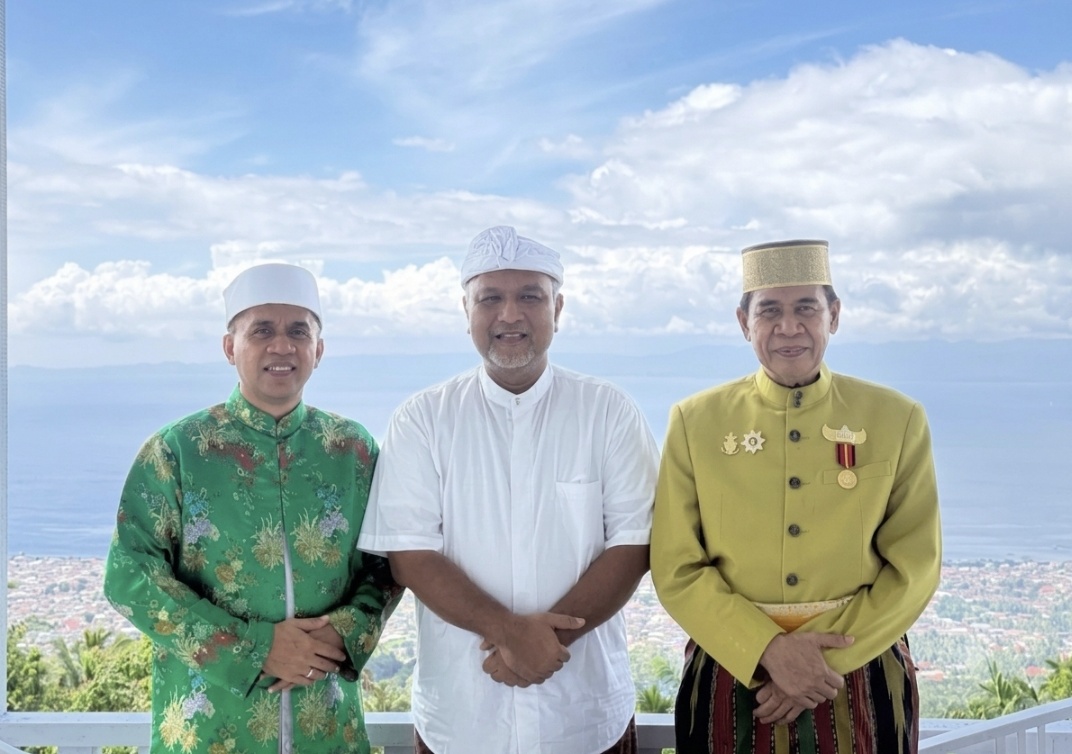
Led by FSKN Chairman Brig. Gen. (Ret.) Dr. A.A. Mapparessa, M.M., M.Si., Karaeng Turikale VIII Maros, the delegation was welcomed at Sultan Babullah Airport by FSKN Secretary General Firman Mudaffar Sjah, son of the late 48th Sultan of Ternate.
The first destination was Karamat Kulaba (Jere Kulaba), a sacred burial complex of Islamic scholars and members of the Ternate Sultanate. There, the delegation offered prayers while learning about the Sultanate’s historic role as one of the greatest maritime powers in the Indonesian archipelago.
Mapparessa said the visit carried profound philosophical significance.
“We intentionally invited Mr. Erwanto to Ternate. The sun rises from the east, reminding us that every great development must remain connected to history. Before speaking about the future, we must honor those who built the civilization of Nusantara,” he said.
According to him, the North Bali International Airport is not merely an infrastructure project but part of a broader effort to create a new economic growth center that strengthens connectivity between Bali and Eastern Indonesia.
The delegation later visited Foramadiahi, on the slopes of Mount Gamalama, where Sultan Baabullah is buried. Widely recognized as one of Indonesia’s greatest historical figures, Sultan Baabullah expelled the Portuguese from Ternate in the 16th century and expanded the Sultanate’s influence across Eastern Indonesia.
At the site, Firman Mudaffar Sjah highlighted Sultan Baabullah’s leadership as a timeless example of courage, diplomacy, and regional unity.
“If you want to understand Ternate, you must first understand Sultan Baabullah,” he said.
He added that the Sultan’s leadership values remain relevant as Indonesia seeks more inclusive, equitable, and interconnected national development.
Historically established in 1257, the Ternate Sultanate evolved into one of Southeast Asia’s most influential maritime kingdoms, controlling the lucrative spice trade across Maluku, Sulawesi, Papua, Nusa Tenggara, and parts of the southern Philippines.
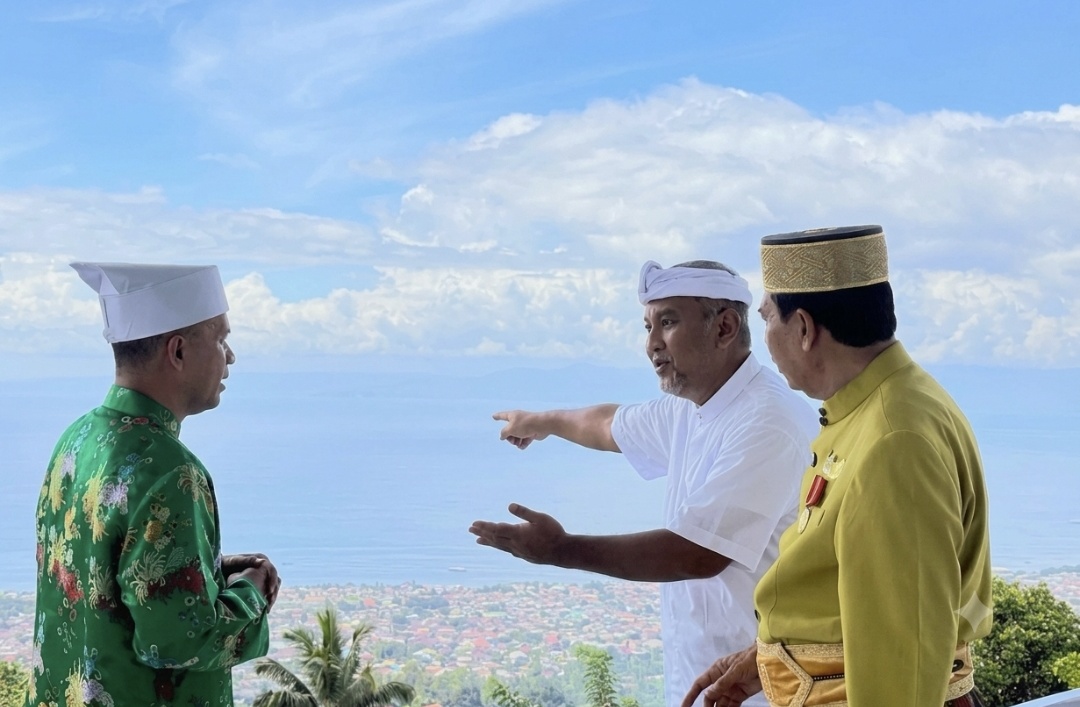
The delegation also visited Kedaton Buku Bandera (Kadato Ici), a former royal retreat situated on higher ground overlooking Ternate City and Tidore Island.
Centuries ago, the site functioned as a strategic observation point where guards monitored incoming merchant vessels and relayed information to the royal palace using flag signals, making it a critical center for overseeing the spice trade.
It was at this historic location that discussions surrounding the North Bali International Airport gained renewed momentum.
Mapparessa said FSKN, an organization representing kings, sultans, and traditional leaders from across Indonesia, offers its moral support for the airport project because it aligns with the nation’s commitment to balanced regional development.
“We see the North Bali International Airport as a new gateway to Eastern Indonesia. Its benefits will extend beyond Bali, creating greater opportunities for Nusa Tenggara, Sulawesi, Maluku, and Papua. Our support reflects the importance of ensuring that development progresses hand in hand with respect for Indonesia’s history and cultural wisdom,” he stated.
Firman Mudaffar Sjah shared the same perspective, emphasizing North Bali’s strategic position in establishing new transportation corridors that can accelerate economic growth throughout Eastern Indonesia.
“If Indonesia is serious about equitable development, it must create new centers of growth. North Bali has the strategic potential to become a vital gateway connecting the eastern regions of the country,” he said.
The North Bali International Airport has remained a strategic national agenda for more than a decade. Its development gained stronger policy support through Presidential Regulation No. 12 of 2025 on the 2025–2029 National Medium-Term Development Plan (RPJMN), which identifies enhanced connectivity in North Bali as part of Indonesia’s broader strategy for regional development and national logistics expansion.
For Erwanto Sad Adiatmoko Hariwibowo, the journey to Ternate offered lessons far beyond infrastructure planning.
“I came here thinking about an airport project. I return with a deeper understanding that development cannot be separated from history, culture, and the values passed down by our ancestors. This has been an invaluable experience,” he said.
Before departing Ternate through Sultan Babullah Airport on July 6, Firman expressed hope that the future North Bali International Airport would be remembered not only as a modern aviation facility but also as a symbol of equitable national development firmly rooted in Indonesia’s cultural identity.
The two-day visit reaffirmed that sustainable development requires more than investment and advanced technology. Respect for history, preservation of cultural heritage, and the enduring values of Nusantara are equally essential in transforming the North Bali International Airport into a new gateway for economic growth, stronger connectivity, and balanced development across Eastern Indonesia.
- Author: Ray












At the moment there is no comment