
AKNSB Yogyakarta Stuns Bali Arts Festival XLVIII with Satya Paramartha, Bringing Bratasena’s Spiritual Journey to Life

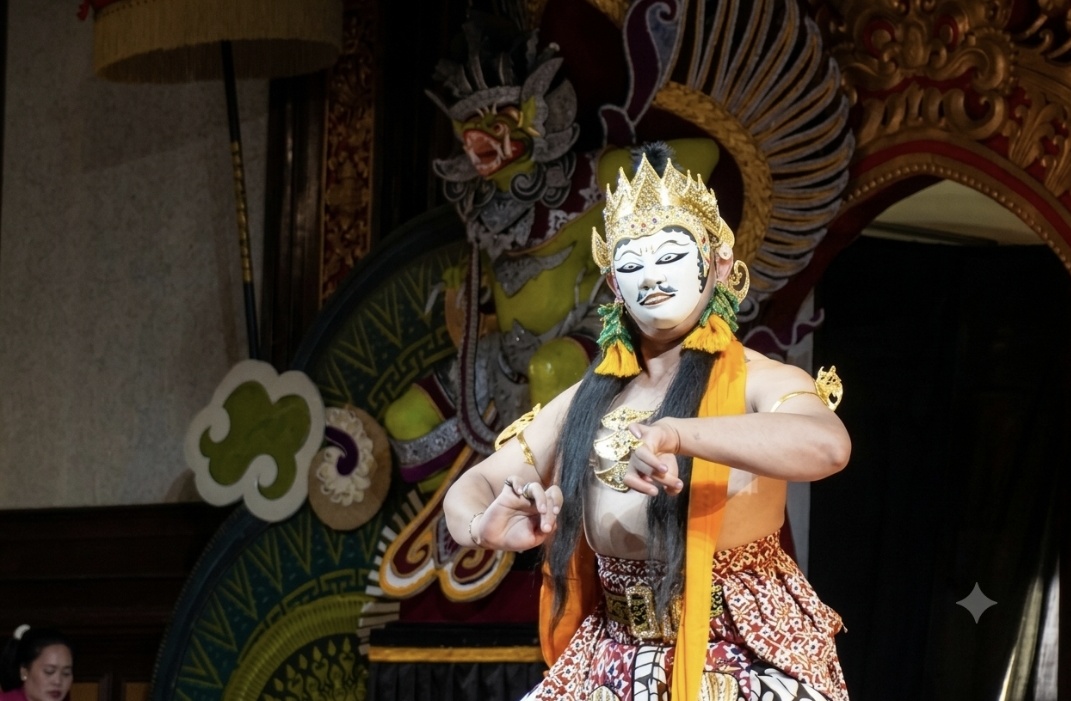
A Performance of the Klana Topeng Alus Gunungsari Dance, an Authentic Classical Tradition Preserved by the Yogyakarta Palace (Karaton Ngayogyakarta Hadiningrat).
info Adjust the font size of this article to get the best reading experience.
AKNSB Yogyakarta captivated audiences at the Bali Arts Festival XLVIII with Satya Paramartha, a spectacular dance drama portraying Bratasena’s quest for ultimate truth through the legendary Dewa Ruci story.

AKNSB Yogyakarta Captivates Bali Arts Festival XLVIII Through a Spectacular Interpretation of Bratasena’s Spiritual Quest
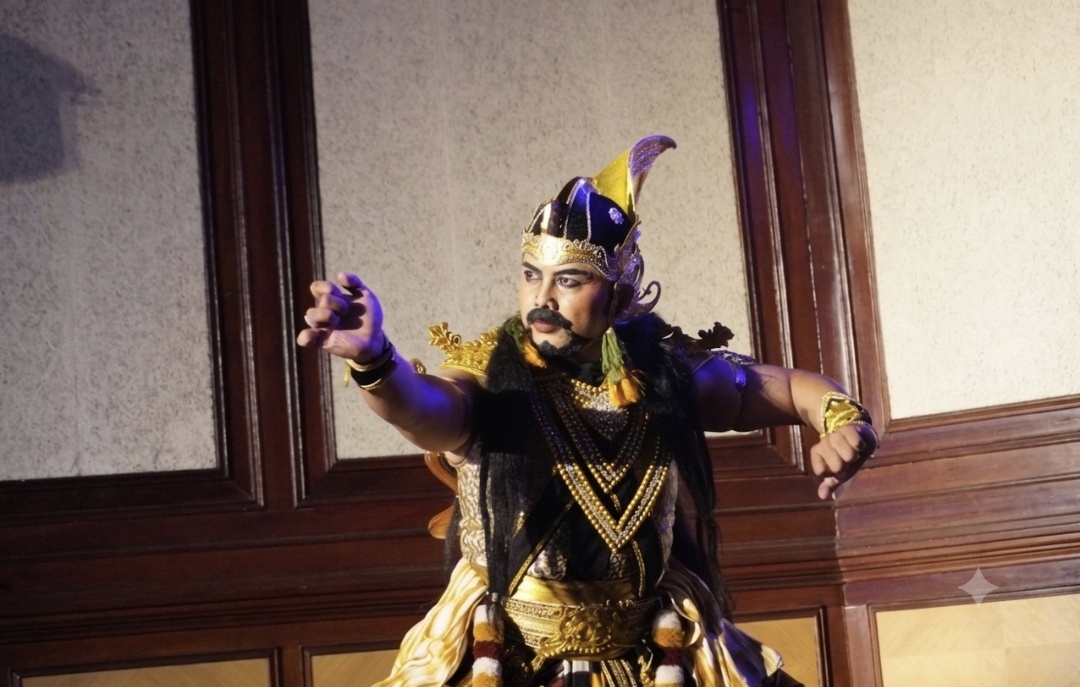
DENPASAR – The Akademi Komunitas Negeri Seni Budaya (AKNSB) Yogyakarta delivered one of the standout performances at the 48th Bali Arts Festival (PKB XLVIII), mesmerizing audiences with its dance drama Satya Paramartha (The Quest for the Highest Truth) at the Ksirarnawa Theatre, Bali Art Center, Denpasar, on Thursday (July 9).
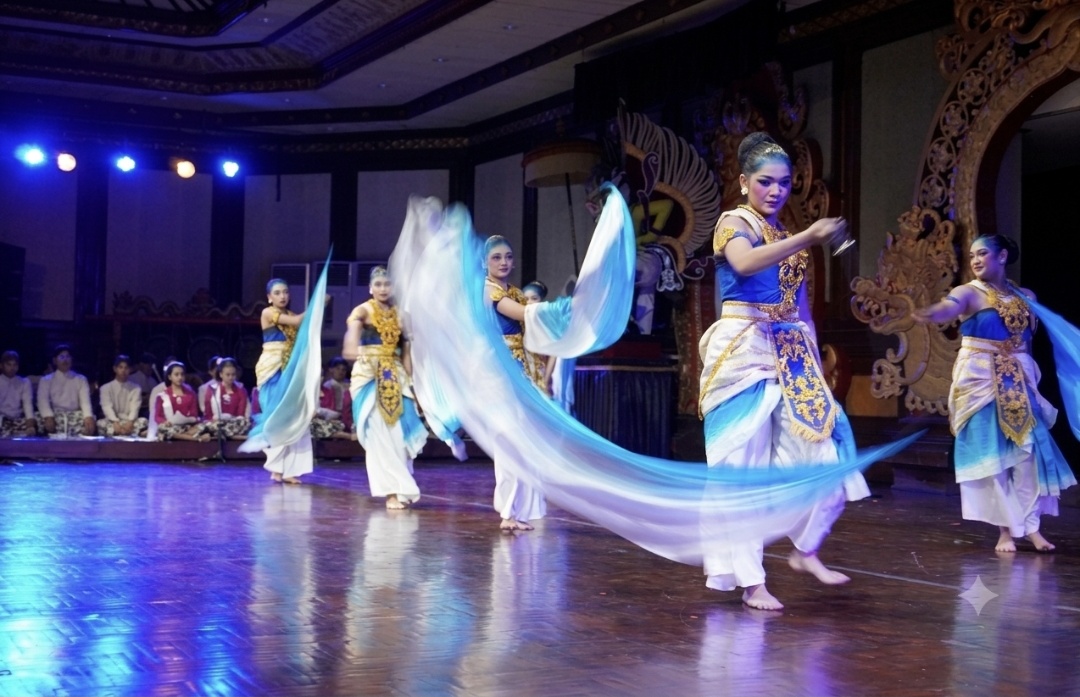
The production showcased a remarkable fusion of choreography, traditional costumes, musical composition, and contemporary creativity rooted in Yogyakarta’s classical performing arts. The performance was widely praised for its artistic maturity and refined presentation, demonstrating significant development compared to previous appearances.
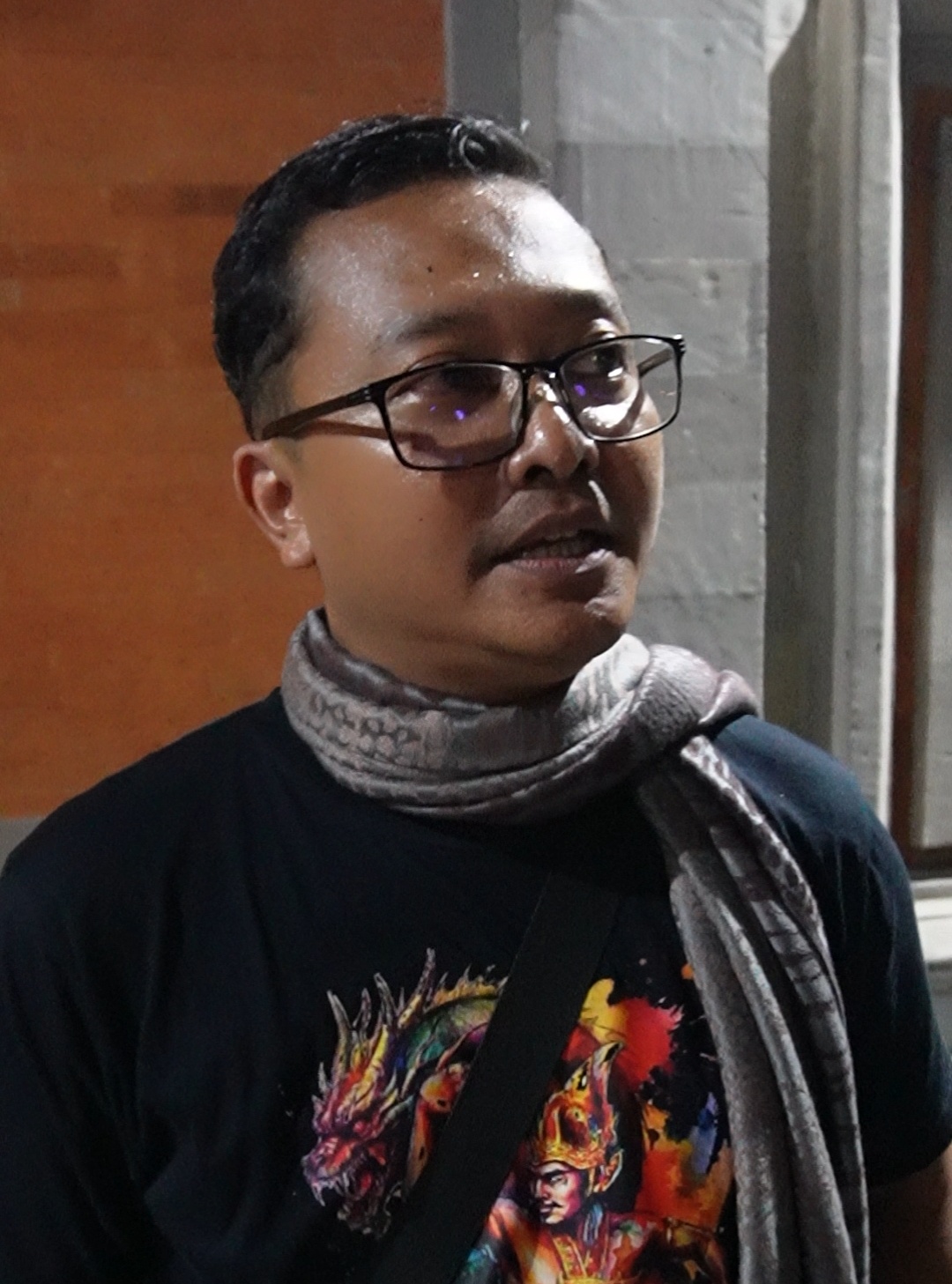
Otok Fitrianto, M.Pd., Director of the Satya Paramartha Dance Drama (The Search for the Ultimate Truth), presented at the 48th Bali Arts Festival (PKB XLVIII).
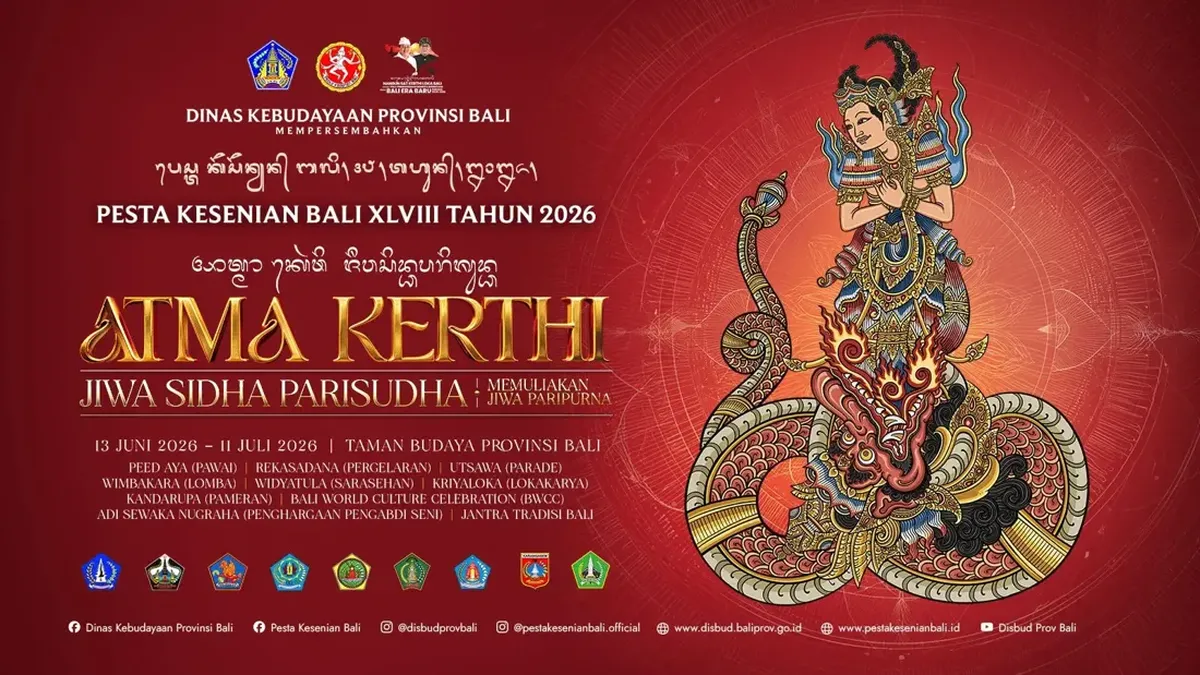
Director Otok Fitrianto, M.Pd., explained that Satya Paramartha was specially conceived to reflect this year’s Bali Arts Festival theme, “Atma Kerthi: Jiwa Sidha Parisudha, Memuliakan Jiwa Paripurna” (Purifying and Honoring the Perfect Soul).
The dance drama recounts the legendary story of Bratasena, who is ordered by his teacher, Resi Durna, to search for the sacred Water of Life (Tirta Perwitasari) as a prerequisite for attaining ultimate knowledge. Unbeknownst to Bratasena, the mission is actually intended to lead him into danger.
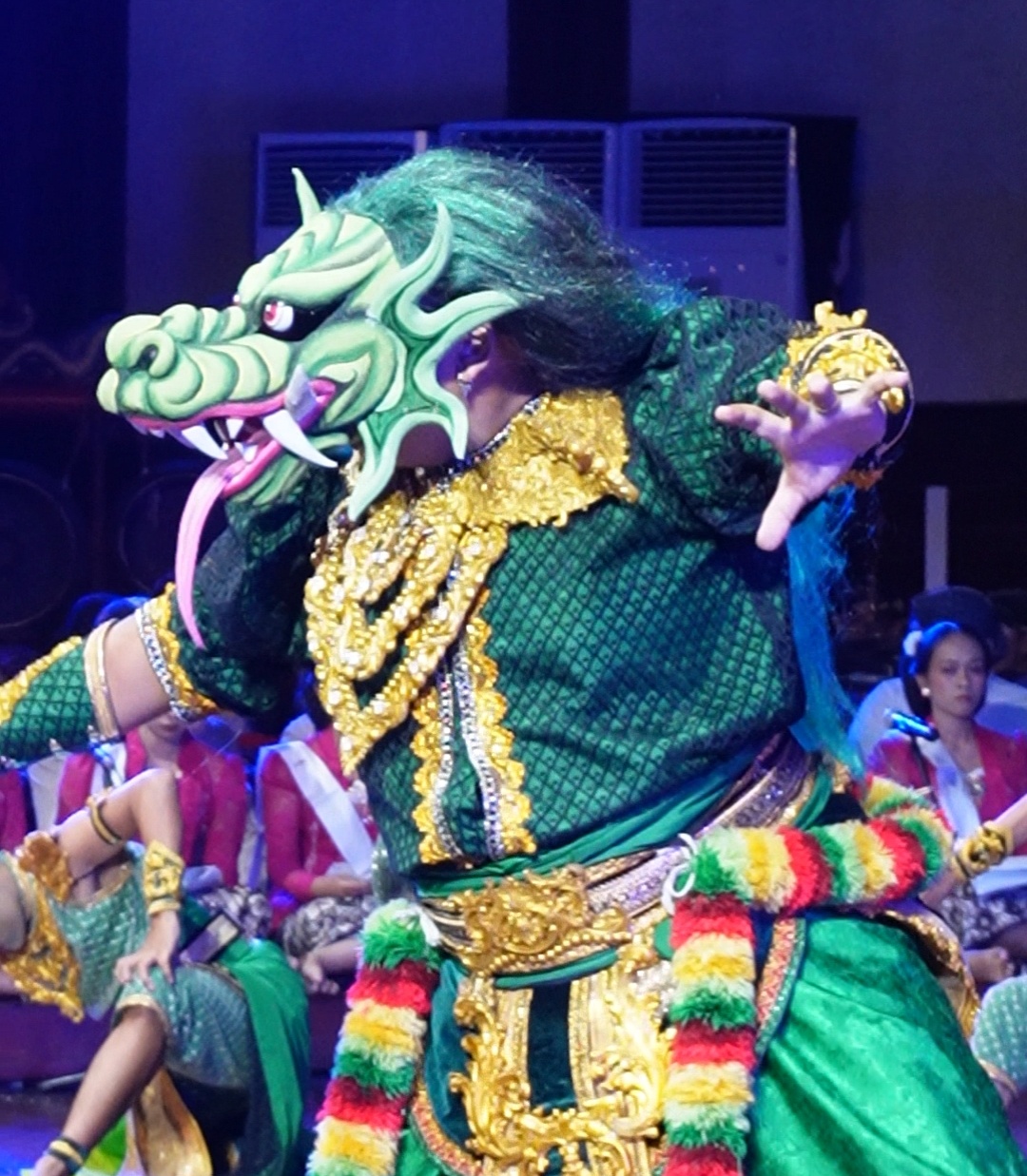
Driven by unwavering determination, Bratasena confronts numerous trials, including fierce battles against a giant guardian on Mount Candramuka and a powerful sea serpent protecting the vast ocean.
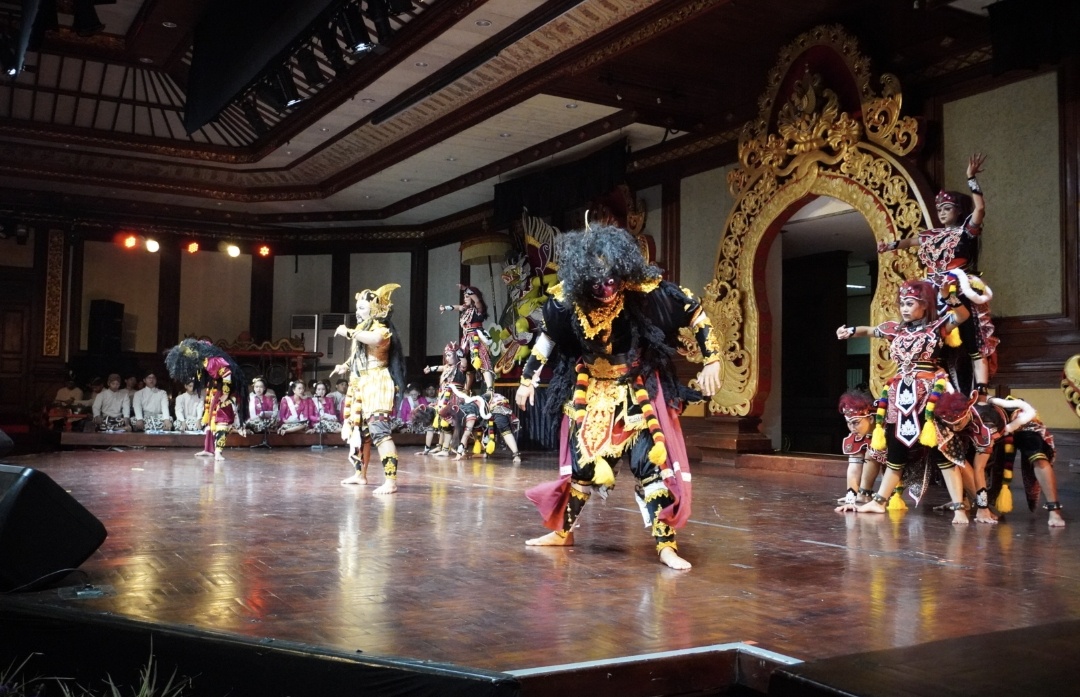
His journey ultimately leads him beneath the sea, where he encounters the radiant divine figure Dewa Ruci. Invited to enter Dewa Ruci’s body, Bratasena experiences a profound spiritual revelation, witnessing the universe itself while discovering the true nature of existence, humanity’s origin and purpose, and the eternal unity between mankind and God.
The enlightenment transforms Bratasena, elevating him to the highest level of spiritual consciousness.
A total of 110 artists and students participated in the production, representing AKNSB’s Dance, Traditional Music (Karawitan), and Leather Craft departments. Together they created a multidisciplinary performance blending dance, live gamelan music, and visual craftsmanship into a cohesive theatrical experience.
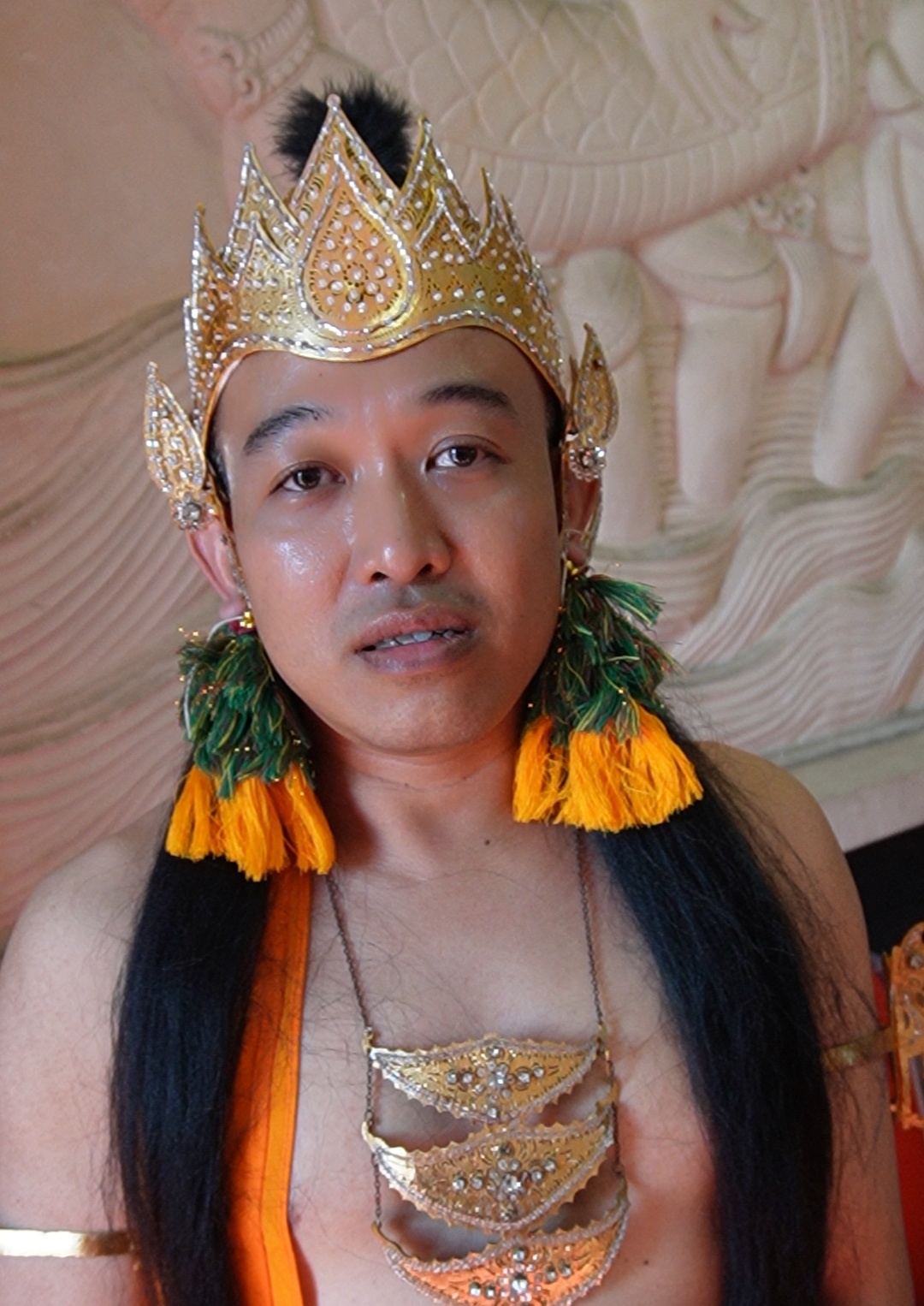
Ali Nur Sotya Nugraha, M.Sn., Head of the Dance Study Program.
Dance Department Head Ali Nur Sotya Nugraha, M.Sn., said the delegation presented three major performances during the festival: Topeng Gunungsari inspired by the Panji tales, a Karawitan concert featuring Lelagon Pangatak in Pelog Pathet Nem composed by legendary maestro Ki Narto Sabdo, and the grand dance drama Satya Paramartha.
According to Ali, the choreography preserves the distinctive vocabulary of Yogyakarta classical dance while introducing contemporary artistic developments without abandoning its traditional identity.
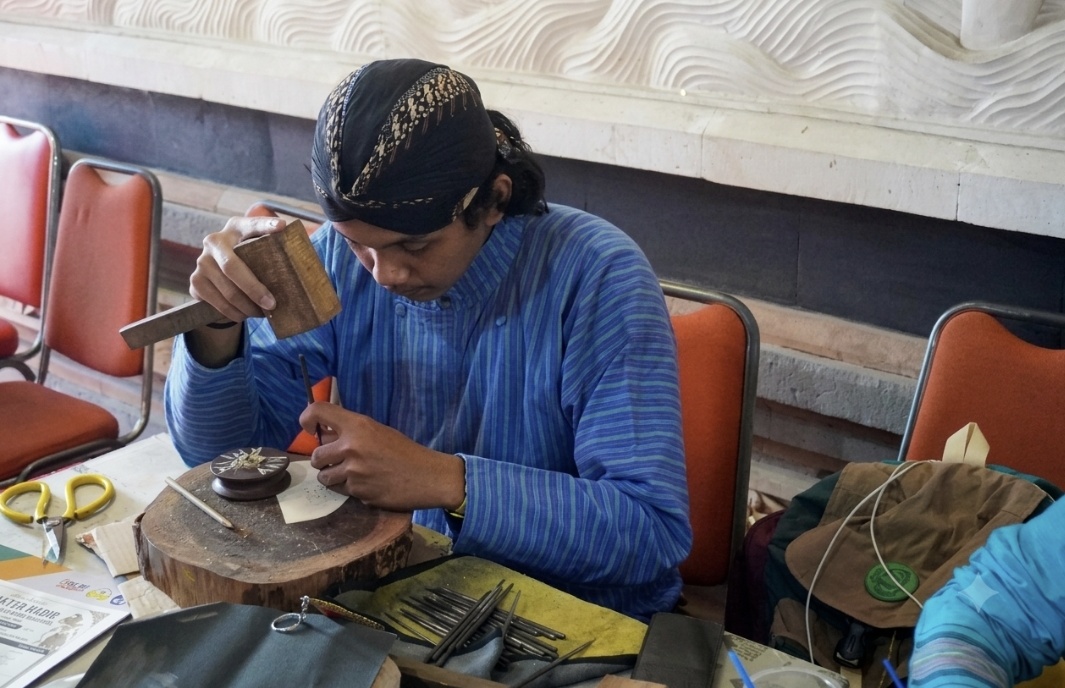
The Leather Craft Study Program also conducted a tatah sungging workshop, introducing participants to the traditional craft of carving and painting wayang kulit (Indonesian shadow puppets).
Meanwhile, Leather Craft Department Head Ima Novilasari, M.Sn., conducted a workshop on traditional tatah sungging (Wayang Kulit carving and painting) while exhibiting student-made Yogyakarta-style shadow puppets and handcrafted leather artworks.
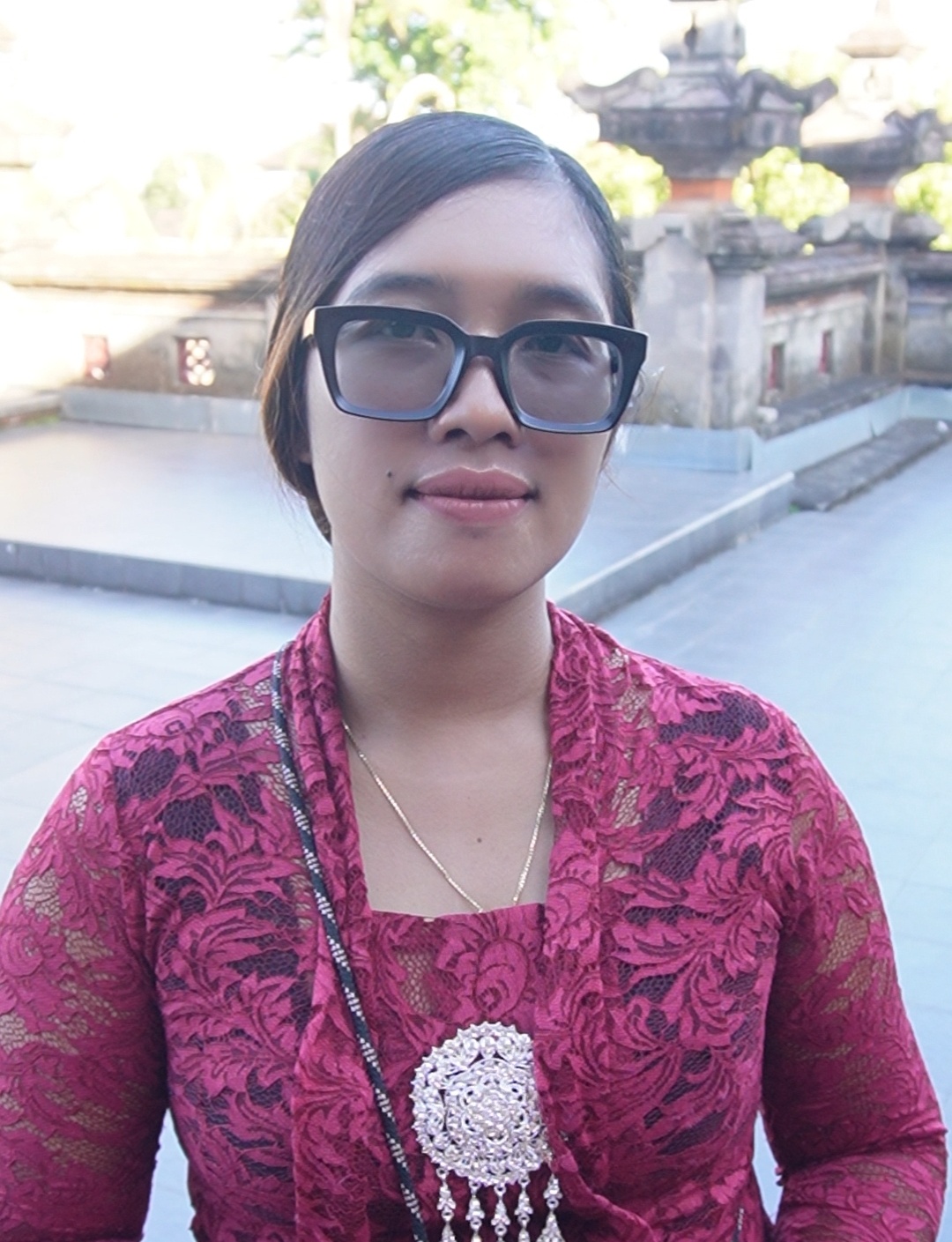
Leather Craft Department Head Ima Novilasari, M.Sn.
She noted that students from the Institut Seni Indonesia Bali showed particular interest in Yogyakarta’s intricate carving techniques, which differ considerably from the larger carving patterns commonly found in Bali.
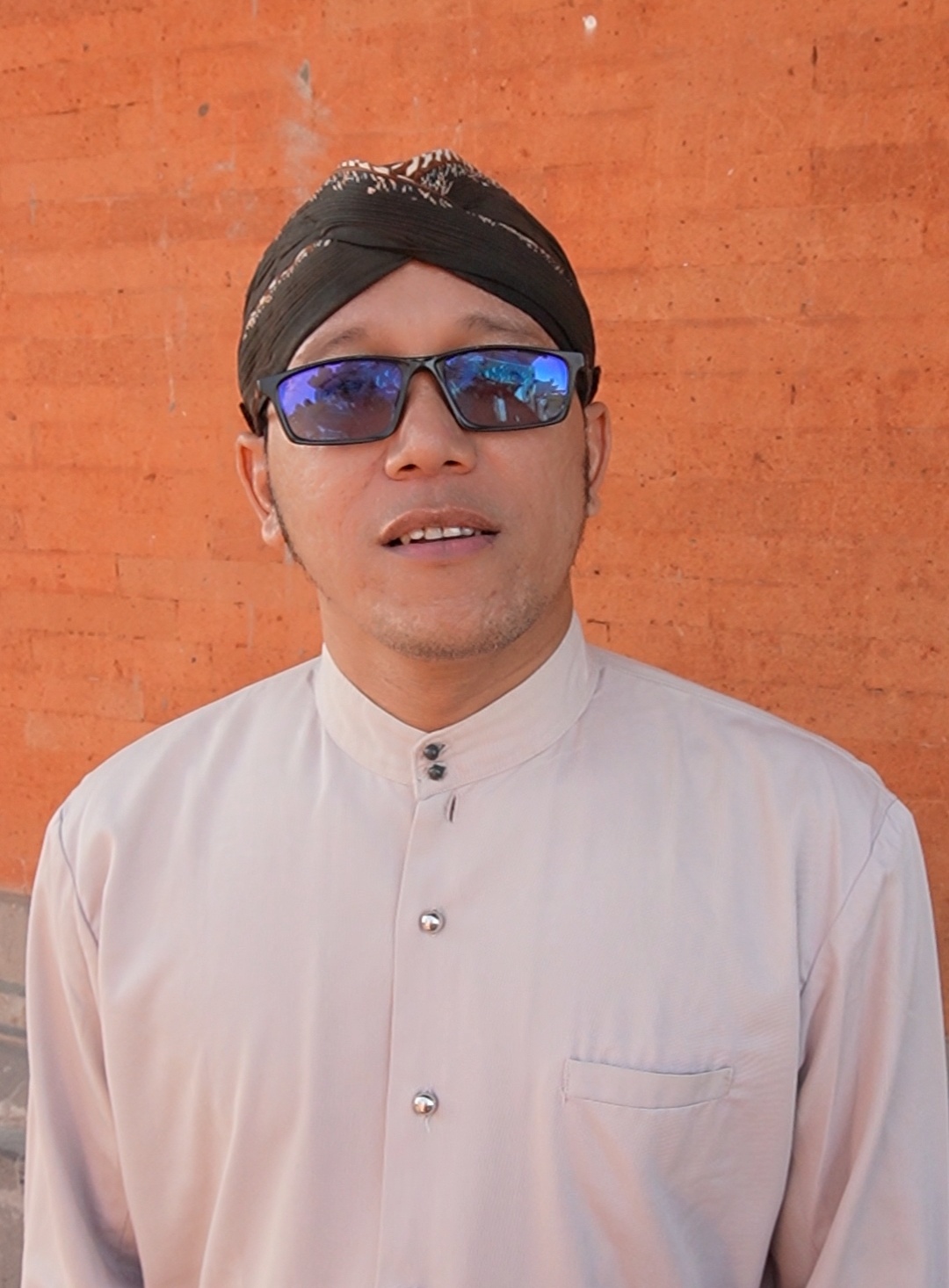
Bayu Purnama, M.Sn., Head of the Karawitan Study Program.
Karawitan Department Head Bayu Purnama, M.Sn., explained that the musical presentation opened with the traditional Gending Soran, followed by accompaniment for the classical Klana Topeng Alus Gunungsari dance, both representing the authentic musical traditions of the Yogyakarta Palace.
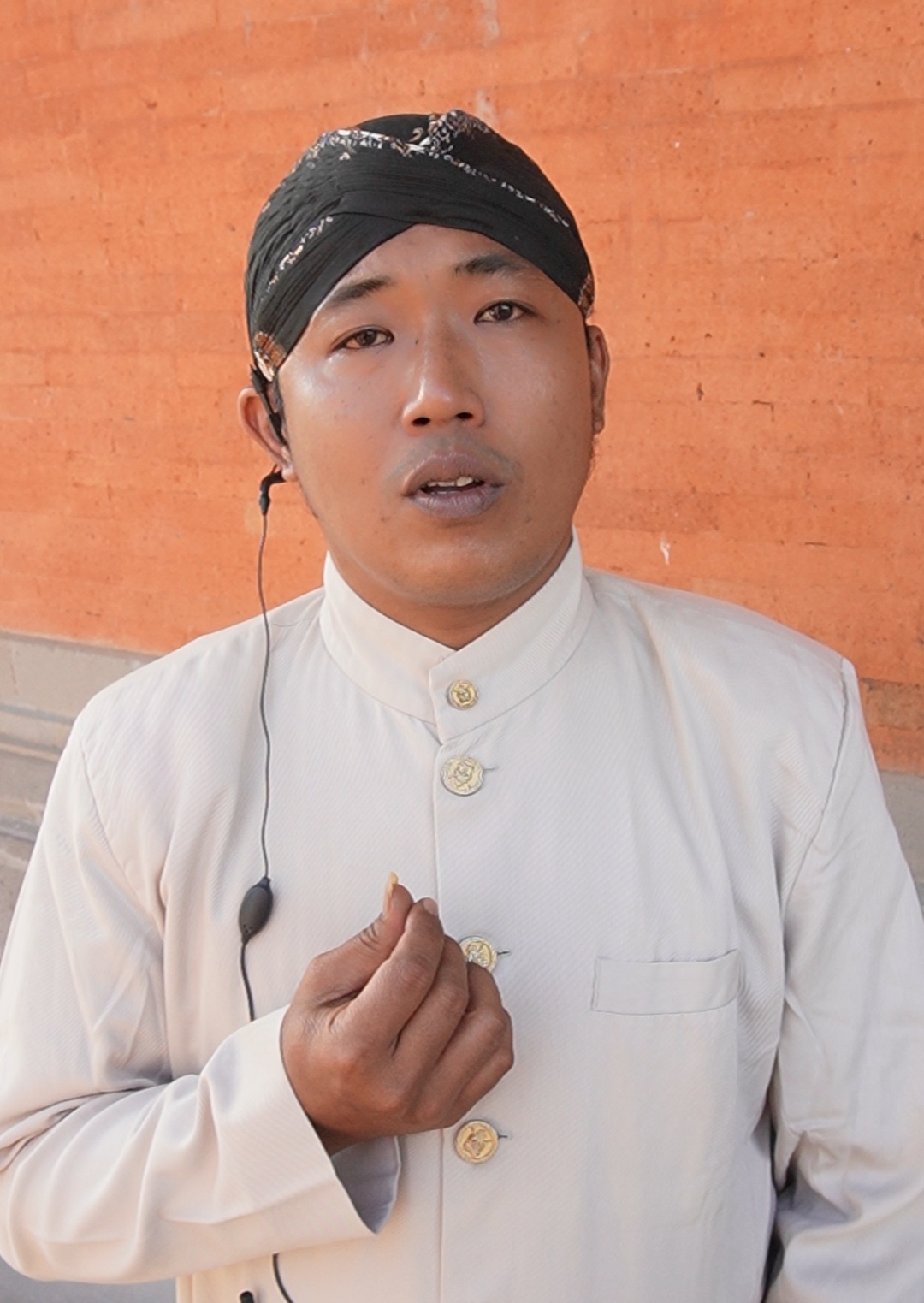
Agustinus Welly Hendratmoko, M.Sn., a lecturer in Karawitan Creativity, handled the sound effects and performed as part of the musical ensemble accompanying the dance drama Satya Paramartha (The Quest for the Highest Truth).
The musical arrangement for Satya Paramartha was further enhanced by sound design created in collaboration with Karawitan lecturer Agustinus Welly Hendratmoko, M.Sn.
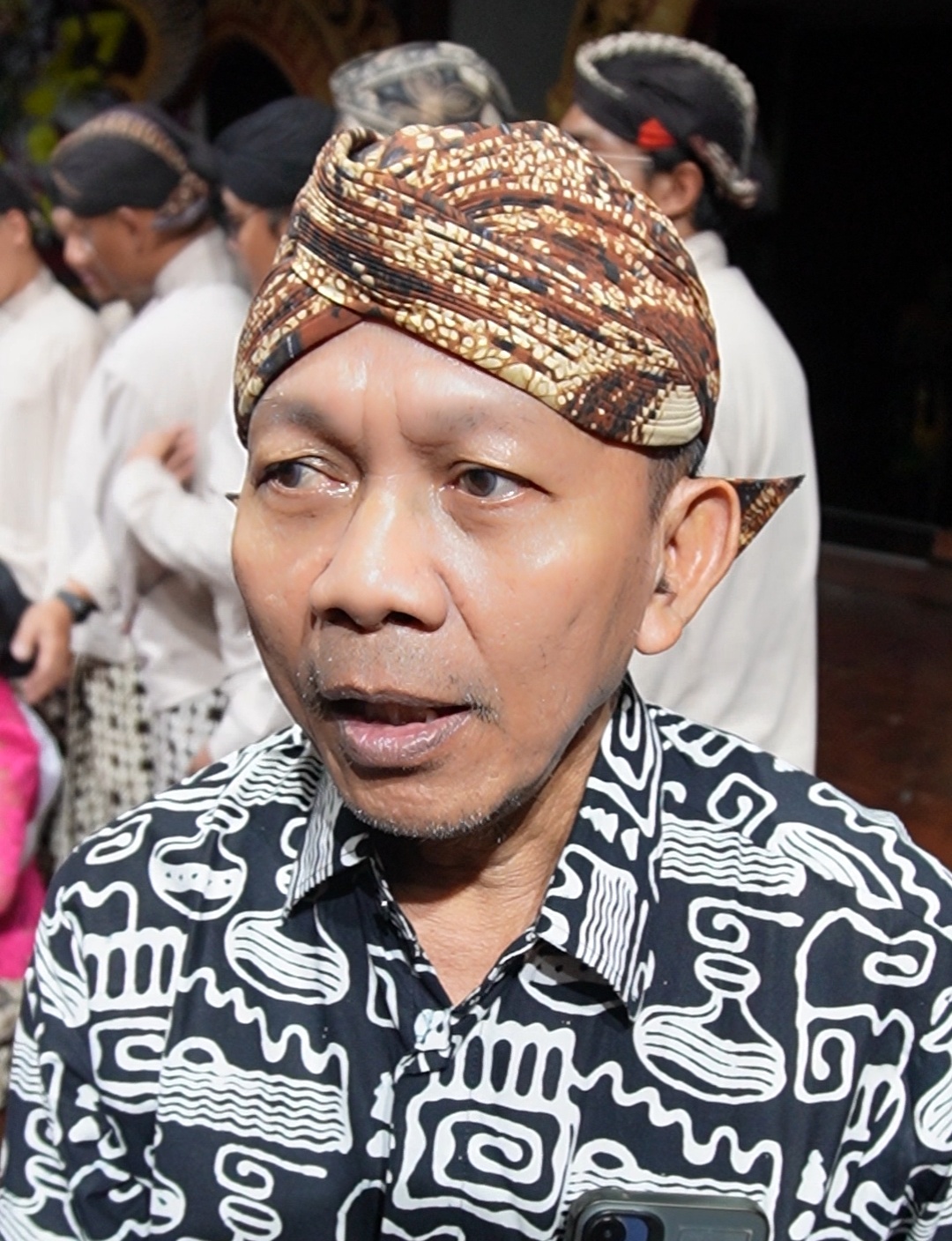
Prof. Dr. Drs. Kuswarsantyo, M.Hum., Director of the Yogyakarta State Community Academy of Arts and Culture (AKNSB Yogyakarta).
AKNSB Director Prof. Dr. Drs. Kuswarsantyo, M.Hum., expressed appreciation for the Special Region of Yogyakarta Government, whose Special Privilege Fund has enabled students to participate in field practice and cultural performances outside the province.
He emphasized that AKNSB remains committed to preserving Yogyakarta’s artistic heritage while encouraging students to innovate and adapt their creations to the evolving landscape of Indonesian performing arts.
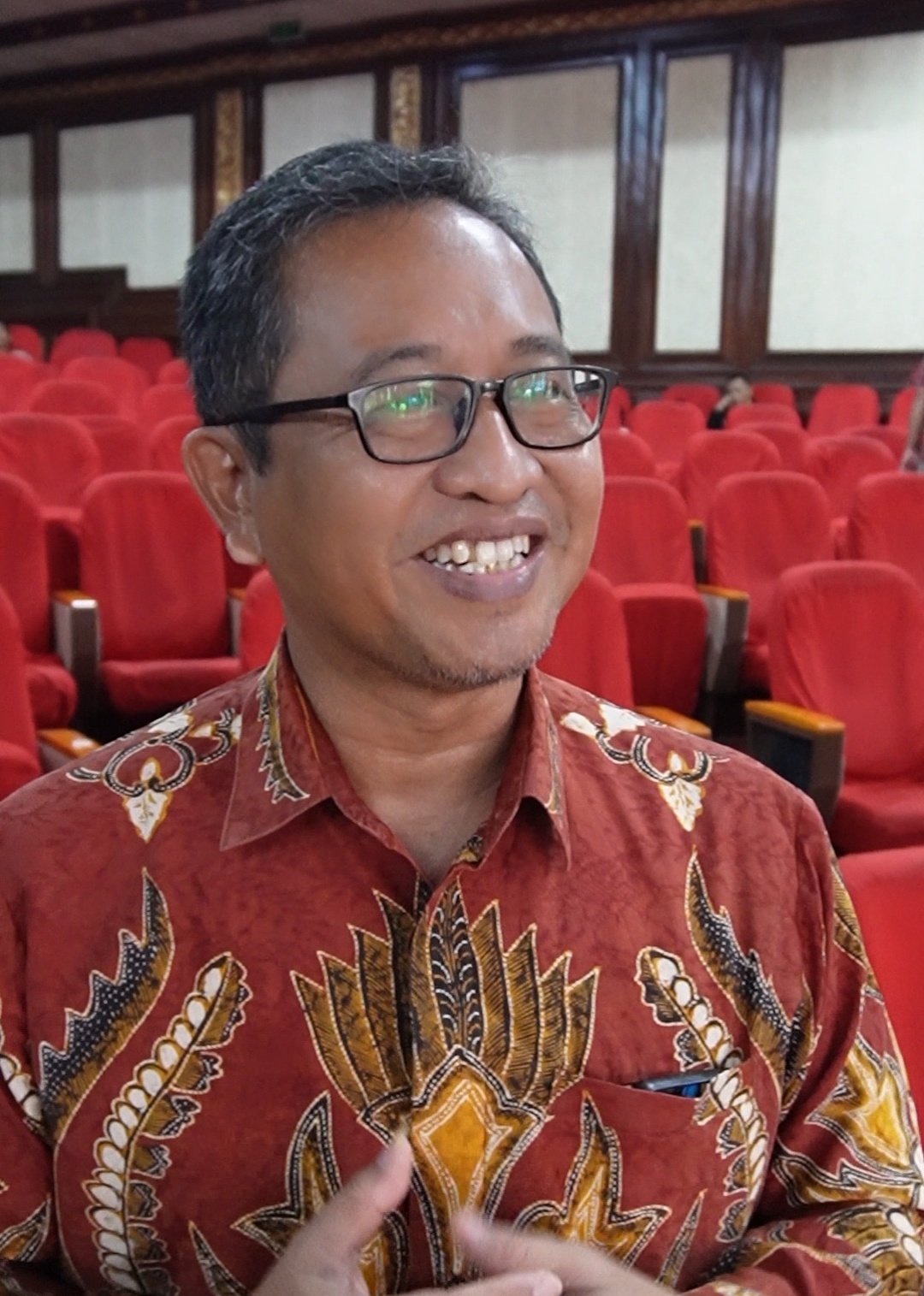
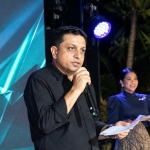
Drs. Raden Suci Rohmadi, M.I.P., Head of the Education Planning and Quality Development Division of the Education, Youth, and Sports Department of the Special Region of Yogyakarta (DIY).
Representing the Yogyakarta Provincial Government, Drs. Raden Suci Rohmadi, M.I.P., Head of Planning and Educational Quality Development at the Regional Education, Youth and Sports Office (Disdikpora DIY), reaffirmed the government’s long-term commitment to strengthening cultural education through sustained financial support and improved educational facilities.
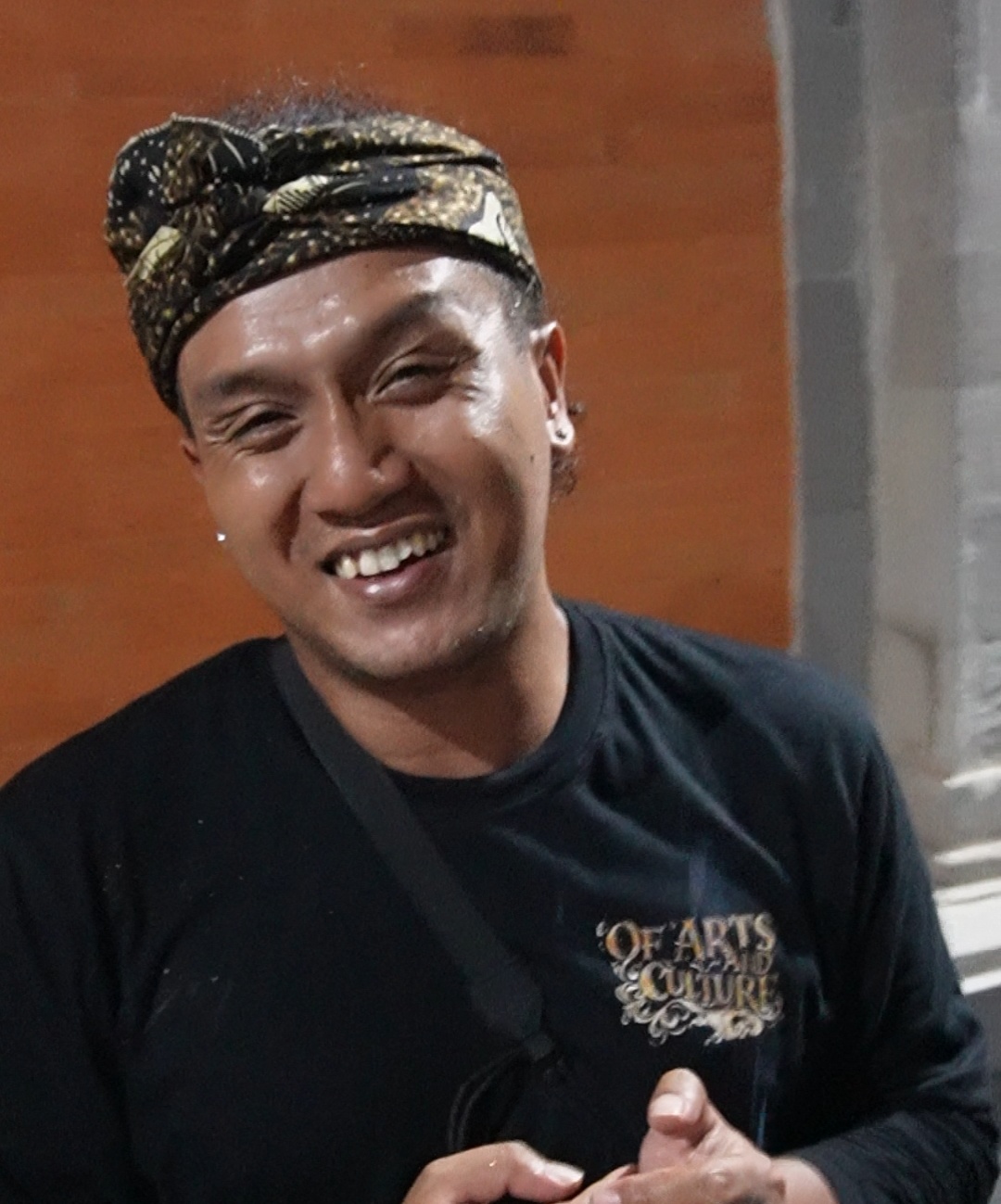
Choreographer Wisnu Dermawan, M.Sn.
The artistic direction also introduced fresh visual elements without abandoning traditional aesthetics. Choreographer Wisnu Dermawan, M.Sn., explained that while the performance retained Yogyakarta’s classical foundation, it incorporated more vibrant stage colors—including bright green for the dragon, blue gradients symbolizing the ocean, and vivid red for the giant characters, to appeal to contemporary audiences while preserving the essence of Javanese cultural heritage.
The performance ultimately demonstrated how classical traditions can evolve through creative interpretation, offering audiences at the Bali Arts Festival a compelling blend of heritage, innovation, and profound spiritual philosophy.
Editor – Ray
- Author: Ray










At the moment there is no comment