
ASEAN Pushes Inclusive Disaster Resilience at UN General Assembly 2026

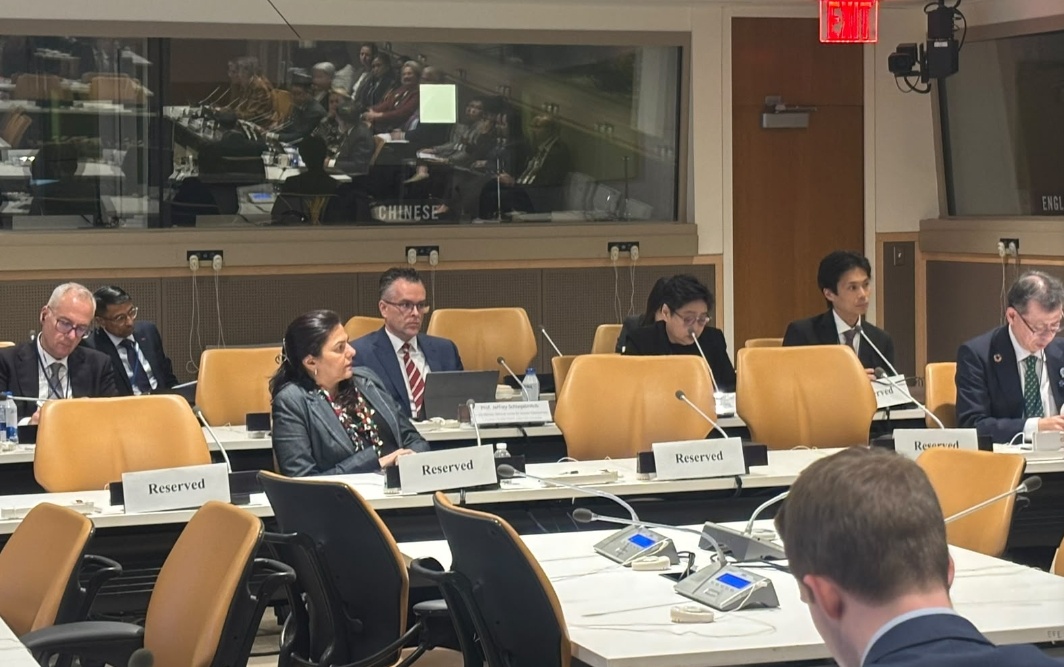
Photo Credit: DFAT and ASEAN Secretariat
info Adjust the font size of this article to get the best reading experience.
High-level discussions in New York highlighted stronger regional cooperation, early warning systems, risk-informed policies and inclusive approaches to disaster and climate resilience.
NEW YORK — ASEAN has strengthened its call for more inclusive and coordinated disaster risk reduction as regional and international stakeholders gathered in New York to advance implementation of the Sendai Framework for Disaster Risk Reduction 2015–2030.
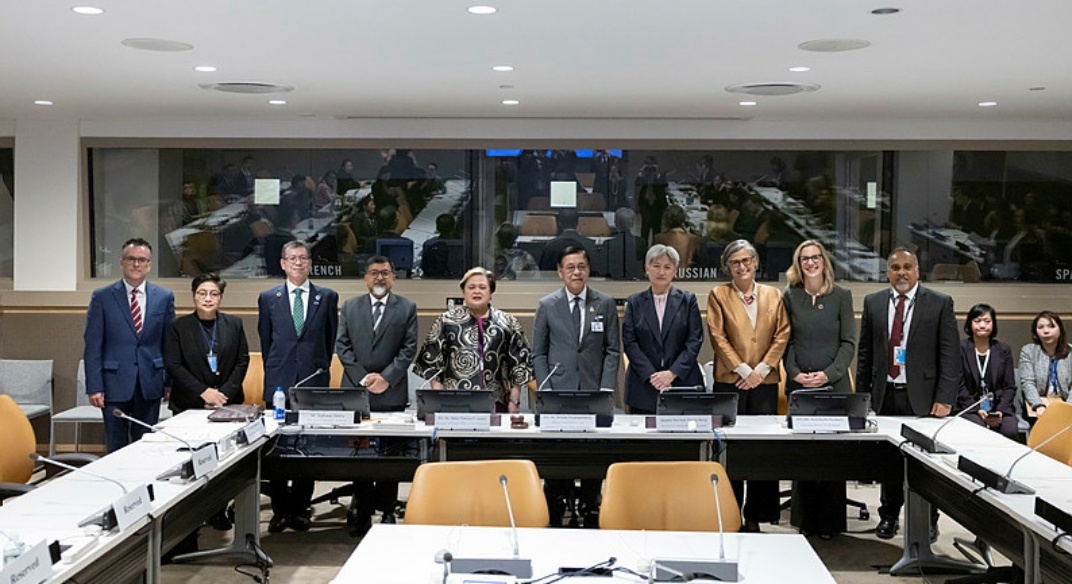
The call was delivered during the high-level segment of the side event titled “Delivering the Sendai Framework: An ASEAN Approach to Inclusive Disaster and Climate Resilience,” held on September 24, 2026, on the margins of the 81st Session of the United Nations General Assembly.
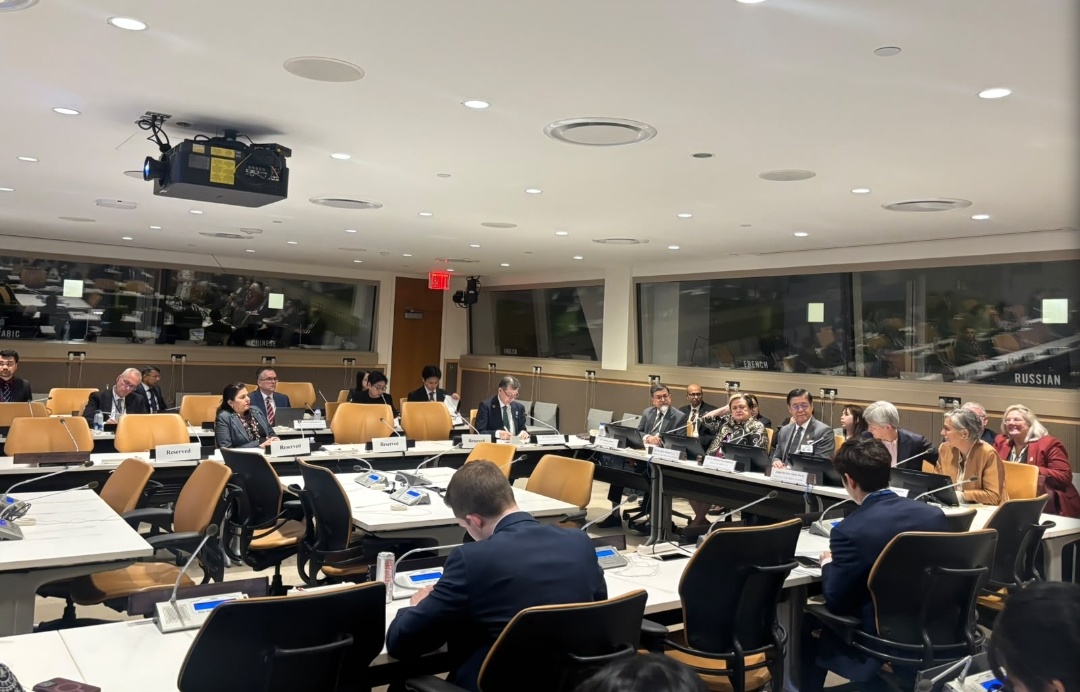
The event was jointly organised by ASEAN, the United Nations Office for Disaster Risk Reduction (UNDRR), Thailand, the Philippines and Japan. The discussion focused on how ASEAN’s experience could contribute to stronger global efforts to reduce disaster risks while building resilience to climate-related threats.
According to UNDRR, the event was designed to identify key elements of an ASEAN approach to accelerating implementation of the Sendai Framework, including risk-informed decision-making, regional cooperation, anticipatory action, inclusive leadership, sex-, age- and disability-disaggregated data, as well as resilience financing.
The discussions came as ASEAN and the wider Asia-Pacific region face increasingly complex disaster and climate risks. The forum also highlighted the importance of connecting disaster risk reduction with climate action, sustainable development and the ASEAN Community Vision 2045.
Thailand’s Deputy Prime Minister and Minister of Foreign Affairs, Sihasak Phuangketkeow, emphasised the need for disaster management approaches that take vulnerable communities into account, from risk reduction and rapid response to recovery and rehabilitation.
He also underlined the importance of better data management, proactive communication through social media and stronger international cooperation. Thailand highlighted ASEAN’s “One ASEAN, One Response” approach as a regional mechanism for coordinated disaster management.
Australia also reaffirmed its support for ASEAN’s central role in regional disaster preparedness and response. Representing Australia at the event, a Department of Foreign Affairs and Trade representative said:
“Australia will continue to support ASEAN’s priorities, engage with ASEAN-led mechanisms and back practical regional action.”
Australia also pointed to the growing importance of preparedness as climate change compounds existing vulnerabilities across the Indo-Pacific.
“Preventing disaster impacts is far better than responding after the fact,” the Australian statement said, while stressing that risk understanding, resilience investment, governance and preparedness are central to protecting communities.
The event further showcased ASEAN’s ongoing disaster-management agenda through the ASEAN Community Vision 2045, the ASEAN Agreement on Disaster Management and Emergency Response (AADMER) Work Programme 2026–2030, and the ASEAN-UN Joint Strategic Plan of Action on Disaster Management 2026–2030.
Participants also discussed the importance of strengthening early warning and early action, improving access to resilience financing and ensuring that women, young people, persons with disabilities and other vulnerable groups have a meaningful role in disaster preparedness and response.
The ASEAN-UN strategic plan identifies community resilience, gender-responsive and disability-inclusive disaster risk management, regional emergency-response coordination and resilient recovery as key areas for cooperation.
India, meanwhile, highlighted its experience in strengthening early warning systems, risk-informed infrastructure and disaster preparedness. Indian officials also emphasised the need to ensure that early warnings are translated into timely action to protect communities.
The New York meeting underscored ASEAN’s effort to translate the Sendai Framework from a global commitment into practical regional action. The approach places greater emphasis on anticipating risks before disasters occur, strengthening cooperation across borders and ensuring that resilience-building reaches communities most exposed to disasters.
With the 2030 deadline for the Sendai Framework and Sustainable Development Goals approaching, ASEAN’s experience is being positioned as a regional contribution to broader international discussions on disaster risk reduction, climate resilience and sustainable development.
Selly



















At the moment there is no comment