
Bali Relaxing Resort & Spa Hosts Hong Kong Travel Agents, Garuda Offers Free Domestic Flights

info Adjust the font size of this article to get the best reading experience.
BADUNG — Indonesia is stepping up efforts to attract more international tourists ahead of the country’s 81st Independence Day on August 17, 2026, with Garuda Indonesia offering complimentary domestic flights to eligible foreign travelers.
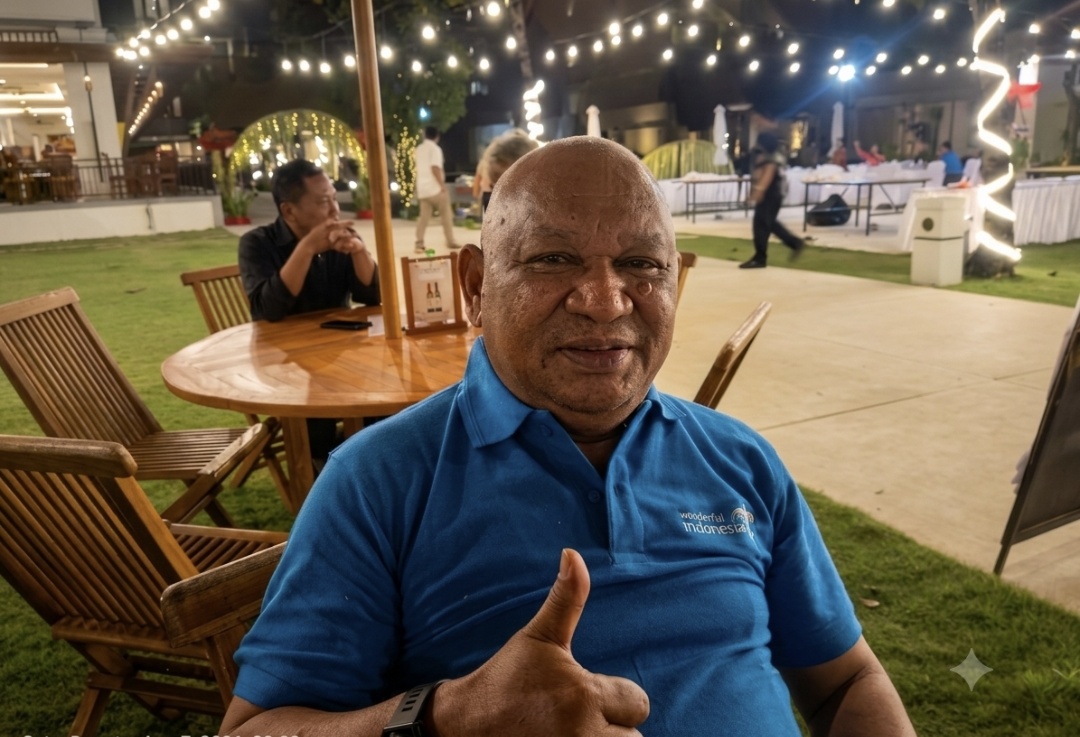
Vinsensius Jemadu.
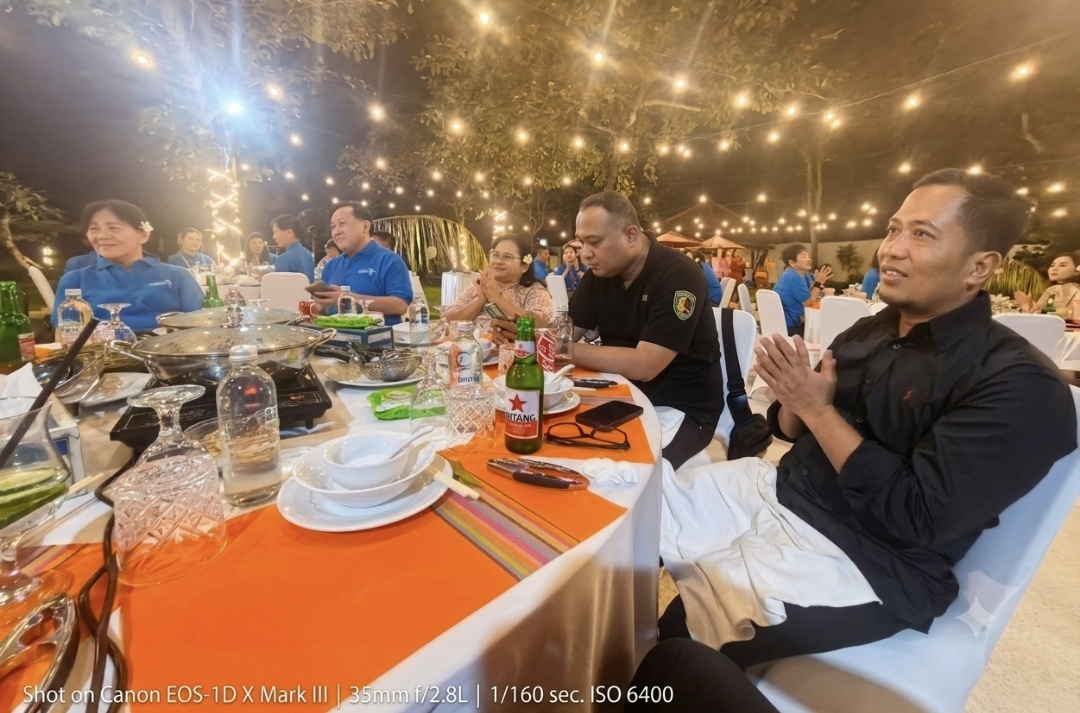
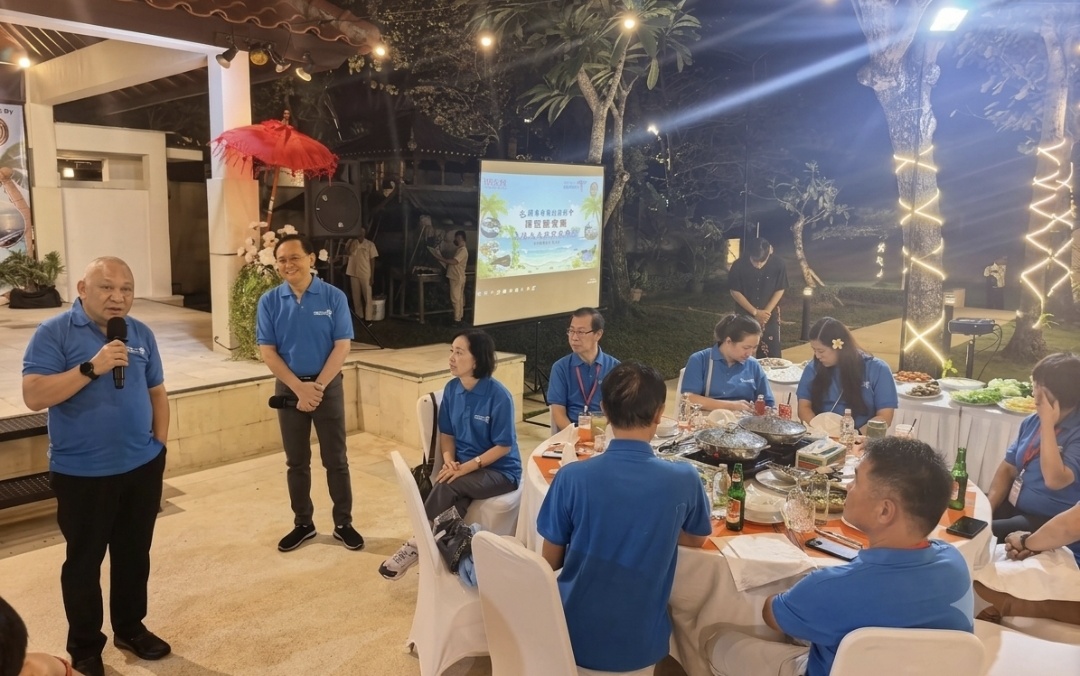
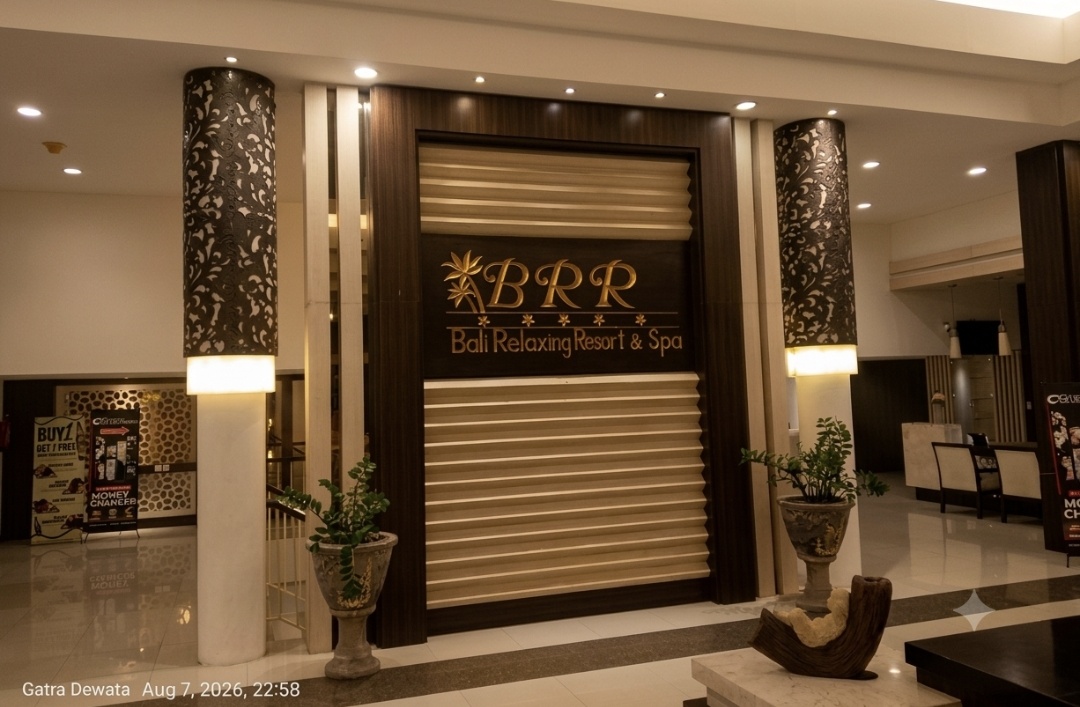
The program was highlighted by Vinsensius Jemadu, Deputy for Tourism Products and Event Organizers at the Ministry of Tourism, during a dinner gathering with around 30 travel agents from Hong Kong at Bali Relaxing Resort & Spa in Badung, Bali, on Friday, August 7, 2026. The event was attended by Bali Relaxing Resort & Spa owner Ricky Tse.
According to Vinsensius, international passengers arriving in Indonesia on selected Garuda Indonesia flights can receive a free domestic connecting flight, provided they meet the program’s terms and conditions.
“For Australian visitors, around 44,000 tickets are available, while for the Hong Kong market, there are 9,300 tickets. If foreign tourists want to travel to Yogyakarta after arriving in Jakarta, the domestic ticket is free, provided they return to Jakarta before flying back overseas,” Vinsensius said.
The initiative is the result of cooperation between the Ministry of Tourism and Garuda Indonesia, with a total allocation of approximately 170,845 tickets in connection with Indonesia’s Independence Day celebrations.
Garuda Indonesia has also promoted the initiative through its #DiscoverMoreIndonesia campaign. Under the program, eligible international travelers purchasing selected round-trip international tickets to Indonesia can receive one complimentary domestic flight to one of 33 destinations outside Jakarta and Bali.
Travelers are required to use the special INDO promotional code when booking through Garuda Indonesia’s official booking channels.
Connecting International Markets Beyond Bali
Vinsensius said Bali remains the dominant destination for international visitors, but the government is now seeking to connect major overseas markets with other tourism destinations across Indonesia.
“Bali remains the favorite destination. We are now trying to connect 15 international markets to other parts of Indonesia,” he said.
The targeted markets include Singapore, China, Japan, South Korea, India and Taiwan, as well as European markets such as the Netherlands, Russia, Germany and France.
The government is also encouraging international tourists to explore destinations such as Lombok and Labuan Bajo.
Vinsensius noted that improving connectivity is crucial, particularly because several international airlines already have networks reaching cities outside Bali.
“We are still pushing for tourists to travel to Lombok and Labuan Bajo,” he said.
Labuan Bajo Needs Stronger Local Human Resources
Vinsensius also highlighted the importance of strengthening human resources in Labuan Bajo, East Nusa Tenggara, which has been designated as one of Indonesia’s Destinations of Super Priority (DPSP).
He said tourism development should not focus solely on infrastructure and attractions but must also be supported by qualified local workers.
“With adequate human resources and improved skills, I hope local people can become the hosts in their own region,” Vinsensius said.
He further encouraged local residents to occupy strategic positions in the tourism industry.
“If possible, managerial positions and above should be filled by local sons and daughters,” he added.
According to Vinsensius, the same principle applies to other DPSP areas, including Lake Toba. Large-scale infrastructure investment from the central government must be accompanied by improvements in local human resources because tourism is fundamentally a service-oriented industry.
“The tourism business is a service business, or hospitality,” he said.
Indonesia currently has five designated Destinations of Super Priority: Lake Toba in North Sumatra, Borobudur in Central Java, Mandalika in West Nusa Tenggara, Labuan Bajo in East Nusa Tenggara, and Likupang in North Sulawesi.
Learning From Bali’s Tourism Challenges
Vinsensius said the development of other priority destinations should also take lessons from Bali, particularly in managing rapid tourism growth.
He pointed to Labuan Bajo as an example of efforts to avoid some of the infrastructure and environmental problems experienced in Bali.
“In Labuan Bajo, the electricity cables have already been placed underground. This is one of the lessons learned from the problems experienced in Bali,” he said.
He also hopes Bali’s tourism workforce can become a benchmark for developing local human resources in emerging destinations.
Labuan Bajo Designed for Premium Tourism
Addressing concerns about the high cost of visiting the Komodo destination, Vinsensius said Labuan Bajo was deliberately developed as a premium and special-interest destination rather than a mass-tourism market.
“Labuan Bajo is about the sea and Komodo. It is a special-interest destination for visitors with particular interests who have high spending power and belong to a segmented market. We are not preparing it for mass tourism,” he said.
He acknowledged that backpackers remain part of the tourism market but emphasized that the government is increasingly focusing on quality tourism rather than simply increasing visitor numbers.
Hong Kong Travel Market Sees Major Shift
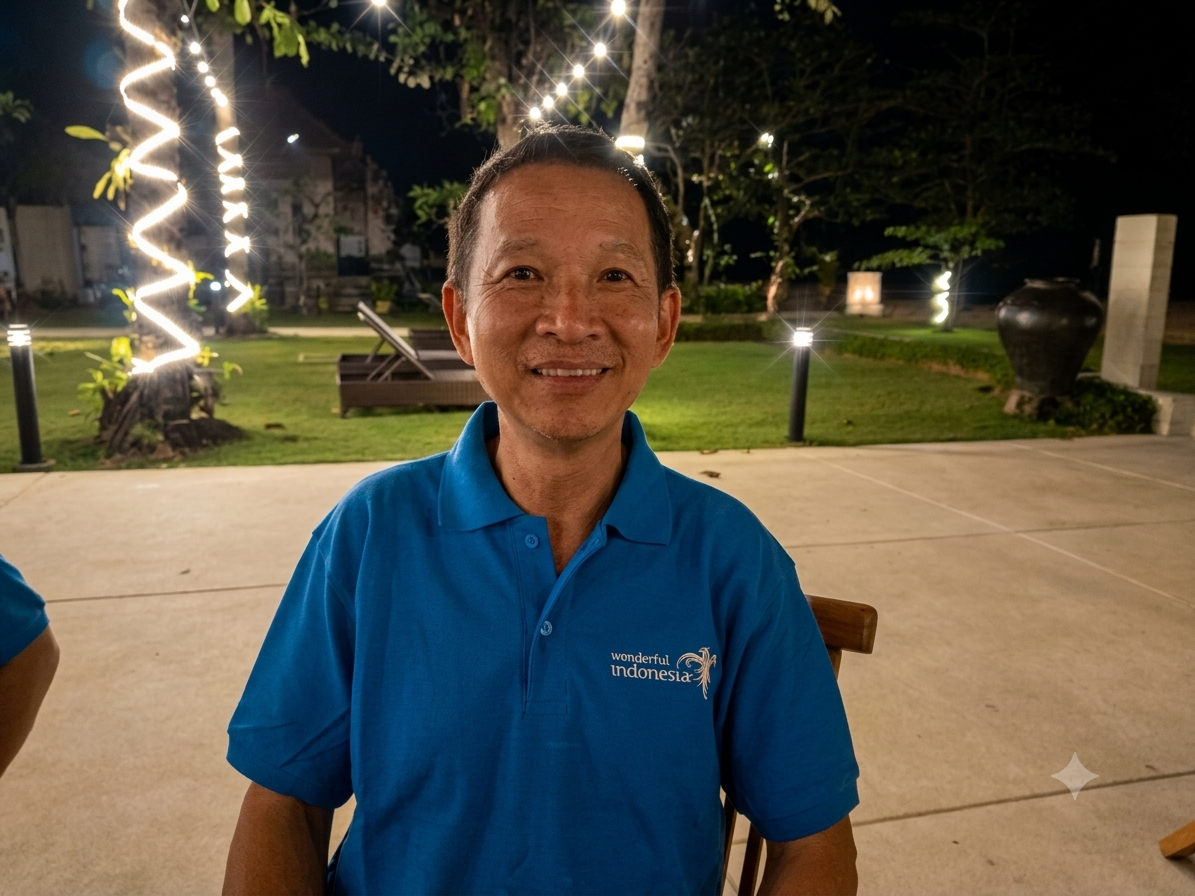
Steve Lam, Chairman of the Association Travel for Operation MICE and Leisure Hong Kong, said the behavior of Chinese and Hong Kong travelers has changed significantly since the COVID-19 pandemic.
“Tourists have changed drastically since COVID-19, from high-volume mass tourism to package tourists and independent travelers, with destinations such as Manado and Raja Ampat attracting diving tourists,” Lam said.
He also noted that Chinese tourists currently have strong access to Thailand because of the large number of available flights.
Lam emphasized the importance of increasing direct air connectivity between China and Bali to strengthen Indonesia’s position in the Chinese tourism market.
He said the development of the proposed North Bali International Airport (BIBU) could potentially provide additional opportunities to expand international connectivity and accommodate growing demand.
According to Lam, the most popular products among Hong Kong and Chinese travelers include package tours, incentive tours and MICE (Meetings, Incentives, Conferences and Exhibitions).
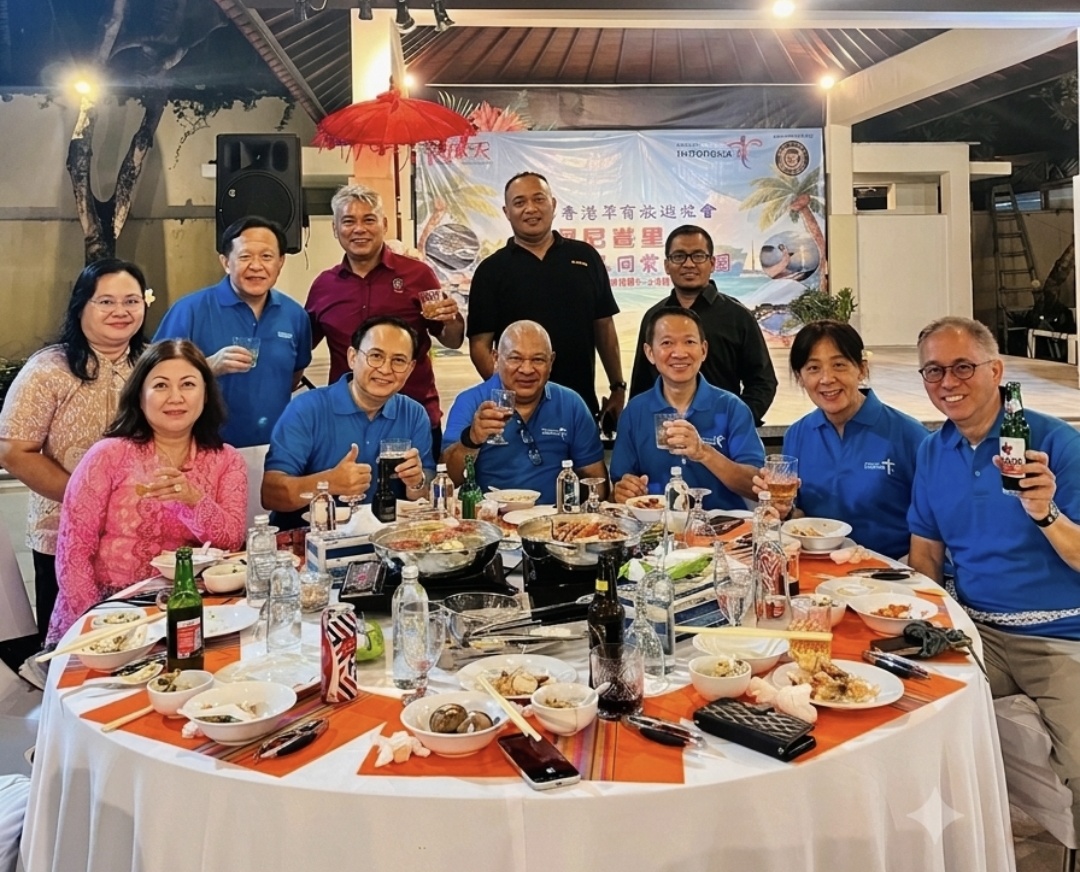
The association currently has more than 50 travel-agent members.
The government’s strategy, meanwhile, is increasingly focused on distributing international tourist arrivals beyond Bali, while improving connectivity, strengthening local tourism workforces and developing destinations according to their respective market segments.
Editor: Ray
- Author: Ray














At the moment there is no comment