
The History of Fashion Design, From Haute Couture to Sustainable Innovation

info Adjust the font size of this article to get the best reading experience.
ENGLAND – Fashion design has evolved from handcrafted garments for royalty into a global industry driven by creativity, technology, and sustainability. From the birth of haute couture in 19th-century Paris to today’s digital fashion revolution, the industry continues to shape culture, identity, and consumer trends worldwide.
Charles Frederick Worth: The Father of Modern Fashion Design
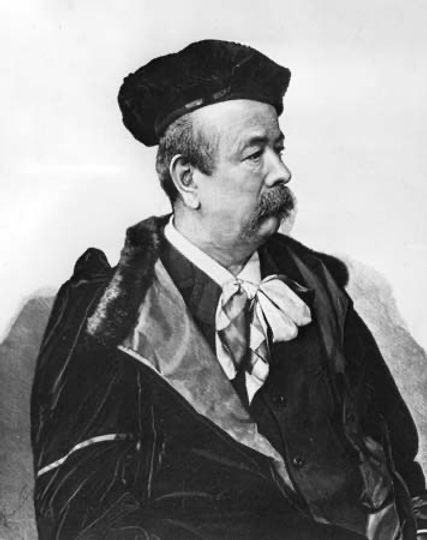
The history of modern fashion design began in the mid-19th century with Charles Frederick Worth, an English designer who established his fashion house in Paris. Widely recognized as the father of haute couture, Worth transformed the role of the dressmaker by introducing seasonal collections, sewing designer labels into garments, and showcasing his creations through live runway presentations.
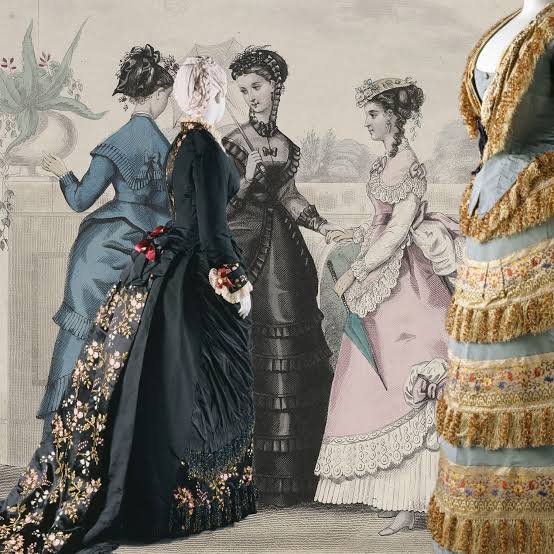
His groundbreaking approach shifted fashion from custom-made clothing tailored solely to clients’ requests into an industry where designers set trends that consumers eagerly followed.
Fashion Before Haute Couture
Prior to Worth’s influence, clothing was typically handmade by local dressmakers or produced at home. Fashion trends were largely dictated by European royal courts, and individual designers received little public recognition.
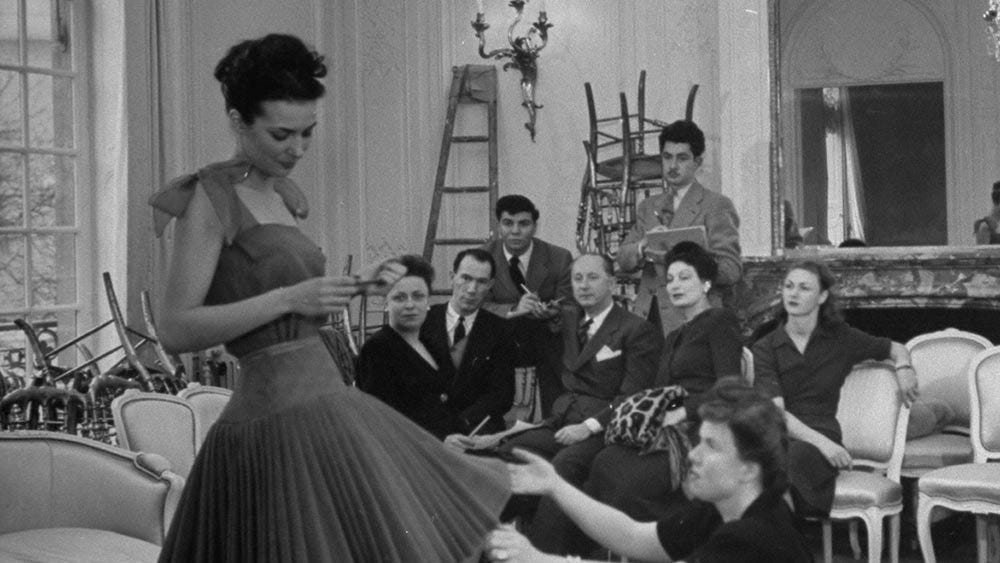
The emergence of haute couture changed this model forever, placing creativity, branding, and artistic vision at the center of the fashion business.
The Early 20th Century, Fashion Meets Social Change
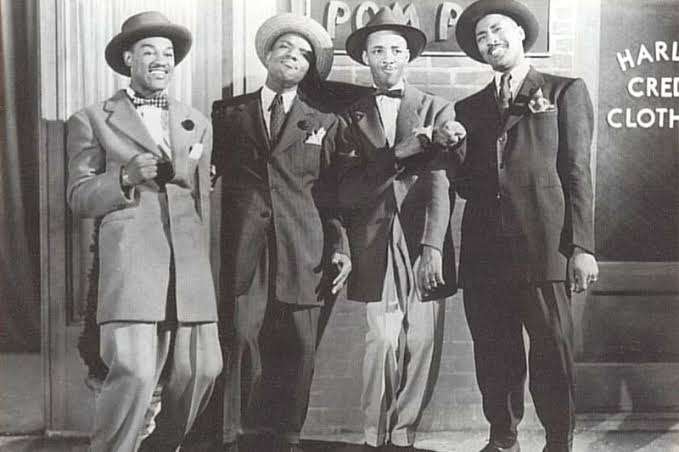
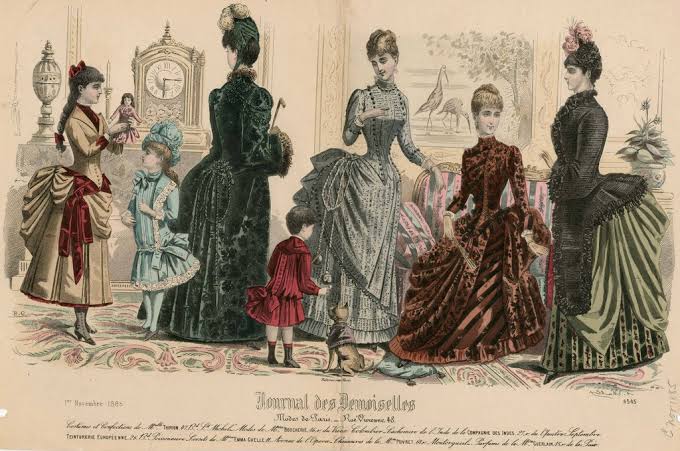
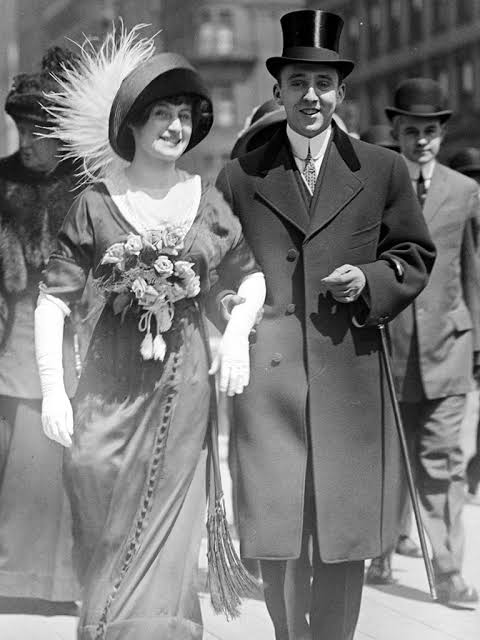
Fashion entered a new era during the early 1900s as magazines and fashion illustrations introduced the latest styles to wider audiences.
Following World War I, women’s increasing participation in the workforce and growing political rights influenced clothing design. Restrictive corsets gradually disappeared, making way for more practical and comfortable garments.
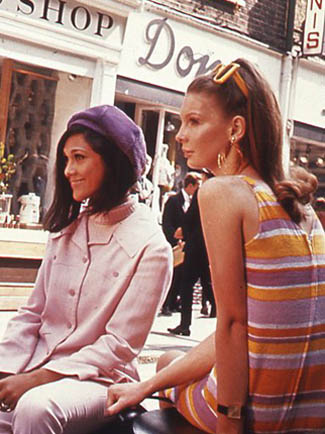
Designer Coco Chanel became one of the defining figures of this transformation, popularizing elegant yet functional clothing and helping establish the iconic flapper style of the 1920s.
Post-War Fashion and the Rise of Ready-to-Wear
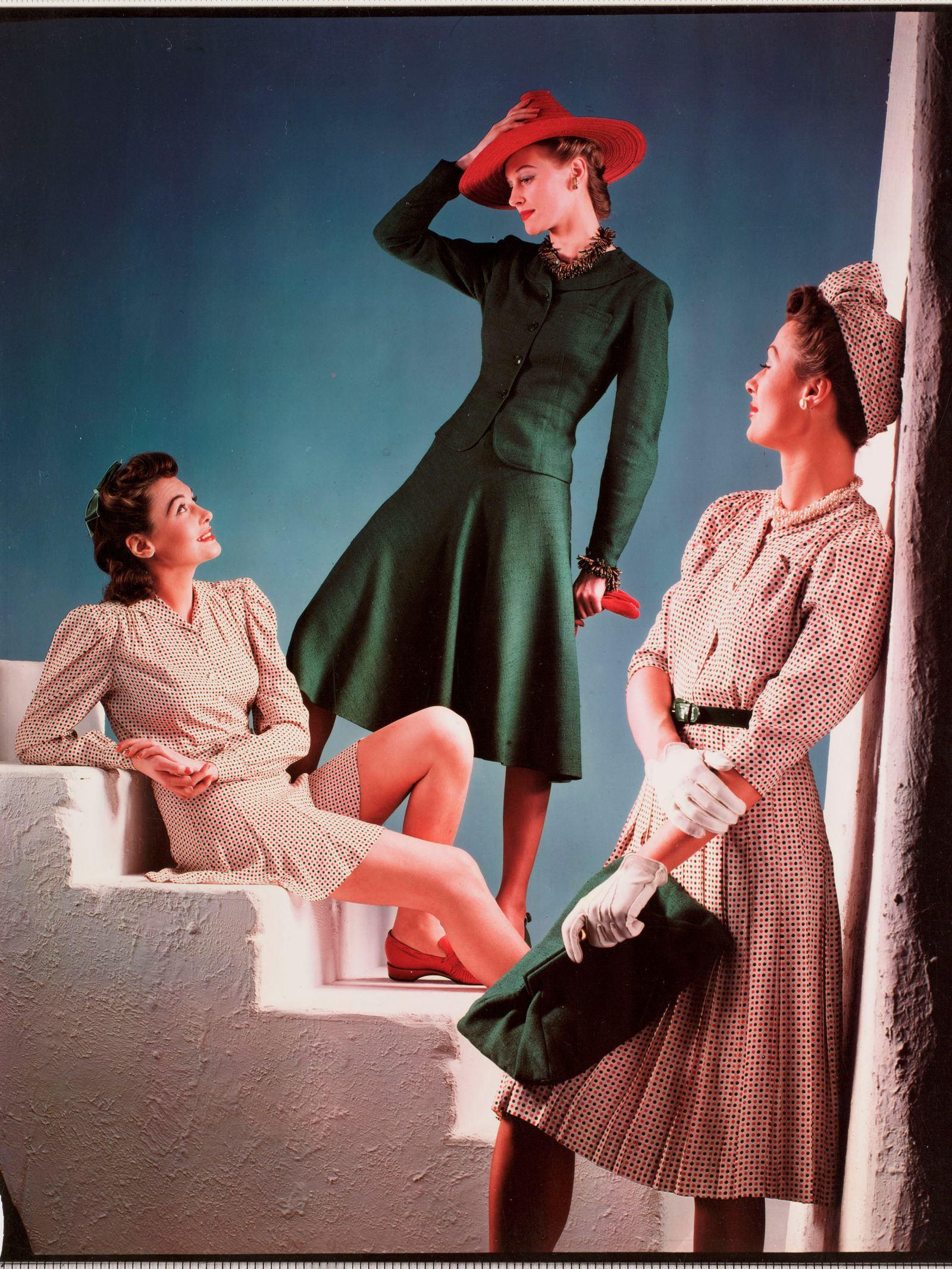
The fashion industry experienced remarkable growth after World War II. In 1947, Christian Dior unveiled the famous “New Look,” featuring fitted waists and full skirts that symbolized post-war optimism and luxury.
This period also saw the rise of celebrated designers such as Cristóbal Balenciaga and Hubert de Givenchy, who reinforced Paris’ reputation as the world’s fashion capital.
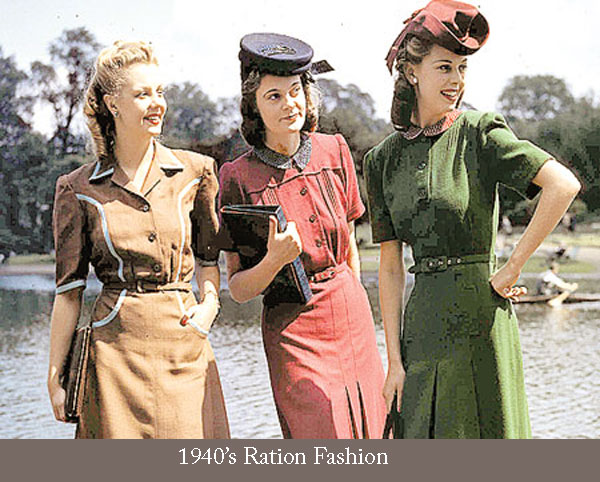
Meanwhile, prêt-à-porter, or ready-to-wear fashion, expanded rapidly, making designer-inspired clothing more accessible to consumers while bridging the gap between haute couture and mass production.
Global Fashion in the Modern Era
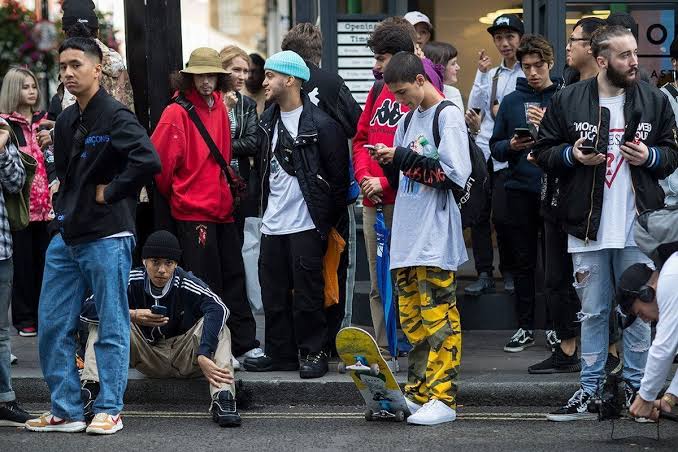
From the late 20th century onward, globalization, youth culture, and streetwear significantly reshaped fashion design.
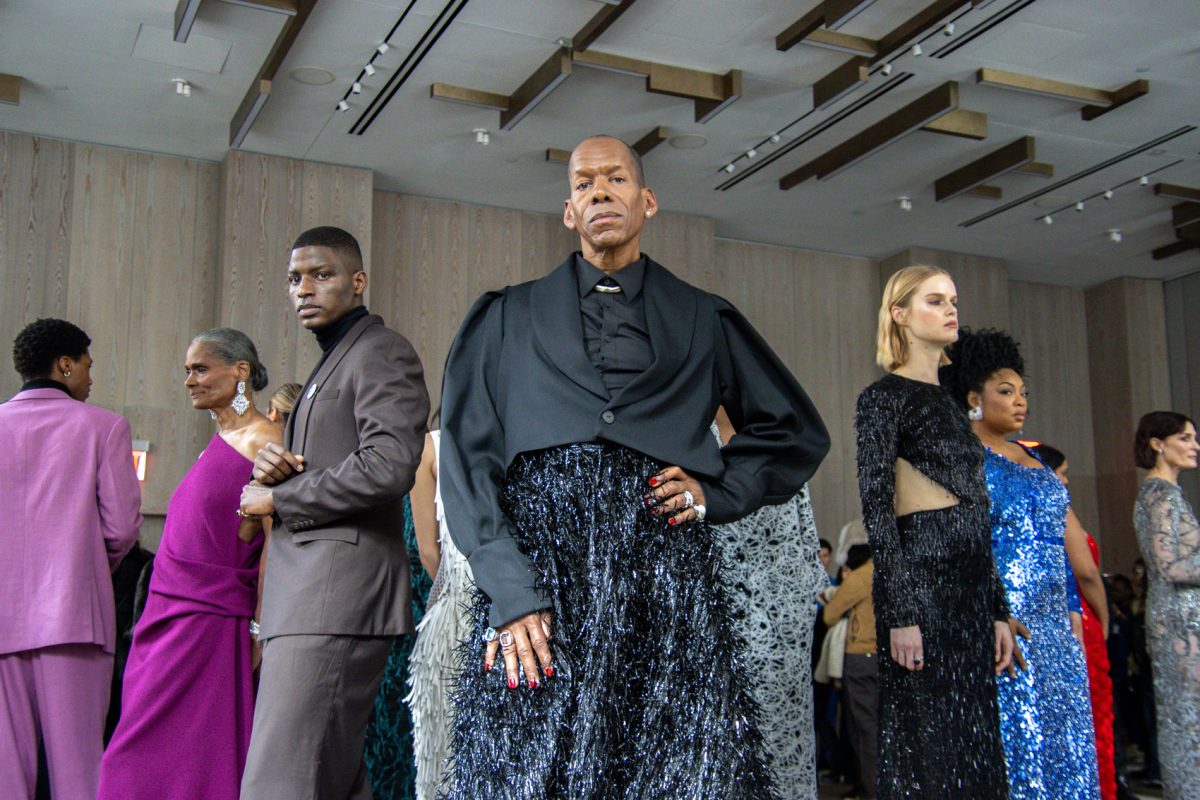
Designers began blending historical references with contemporary aesthetics, while luxury brands embraced bold creativity and innovation. Visionaries such as Alexander McQueen and fashion houses including Gucci became known for redefining modern luxury through experimental collections.
Fashion Design Today, Technology and Sustainability
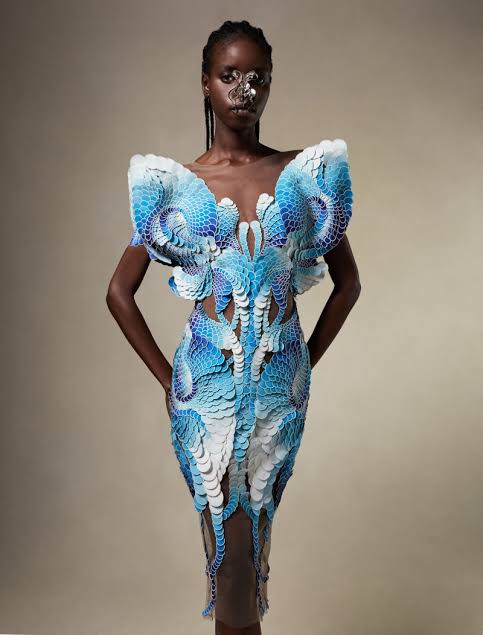
Today, fashion design is increasingly powered by digital technology. Designers rely on 3D modeling, digital prototyping, and virtual design tools to accelerate product development and reduce waste.
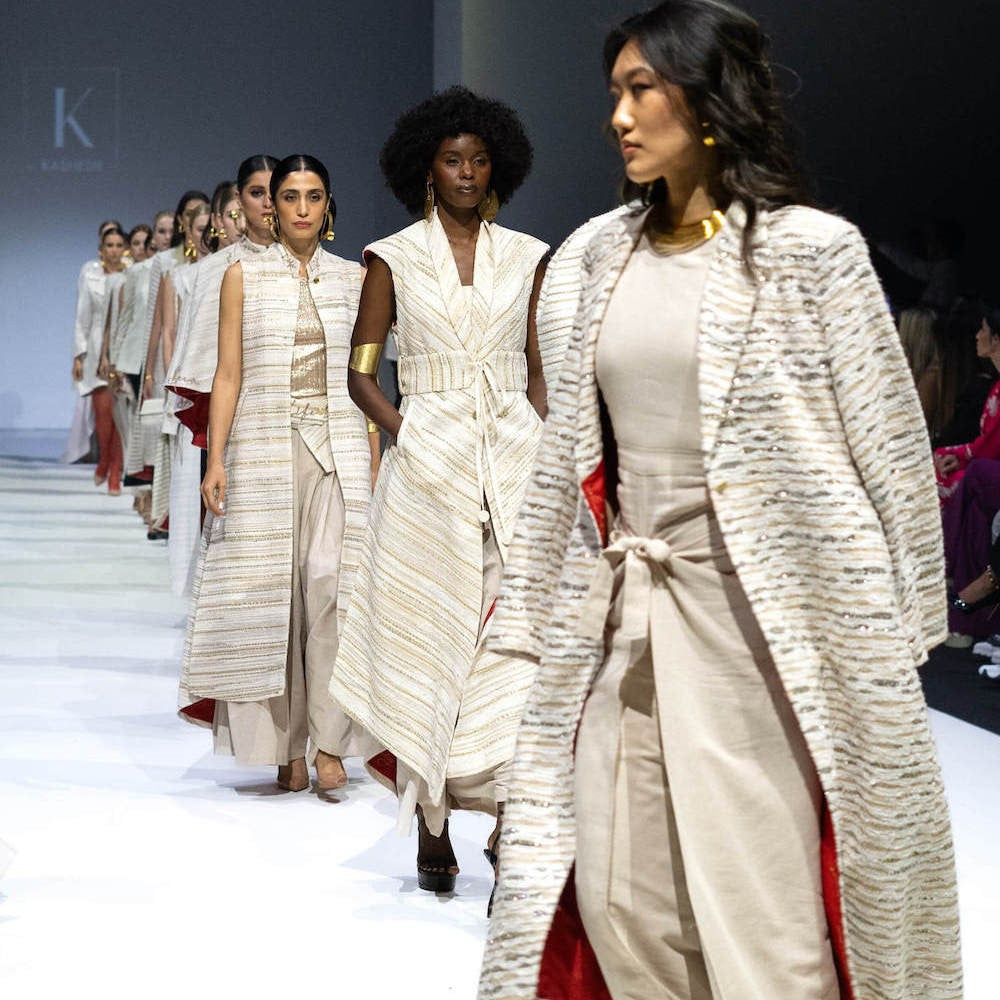

At the same time, sustainability has become one of the industry’s highest priorities. Many fashion brands now focus on eco-friendly materials, ethical manufacturing, circular fashion, and inclusive design practices to meet growing consumer demand for responsible fashion.
The Future of Fashion Design
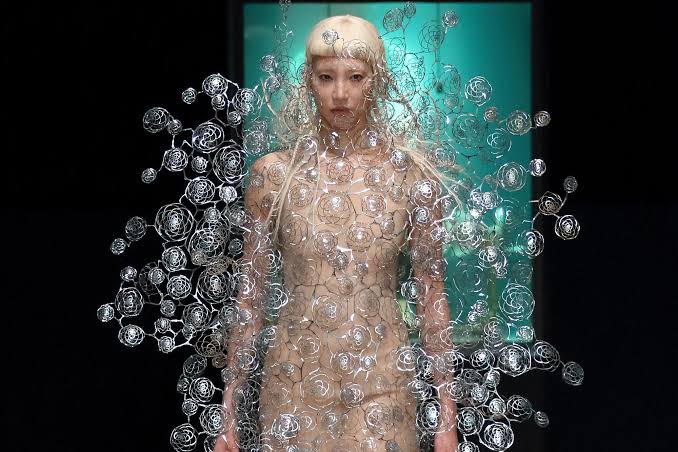
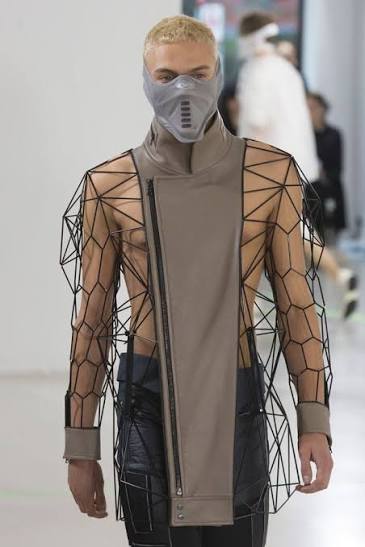
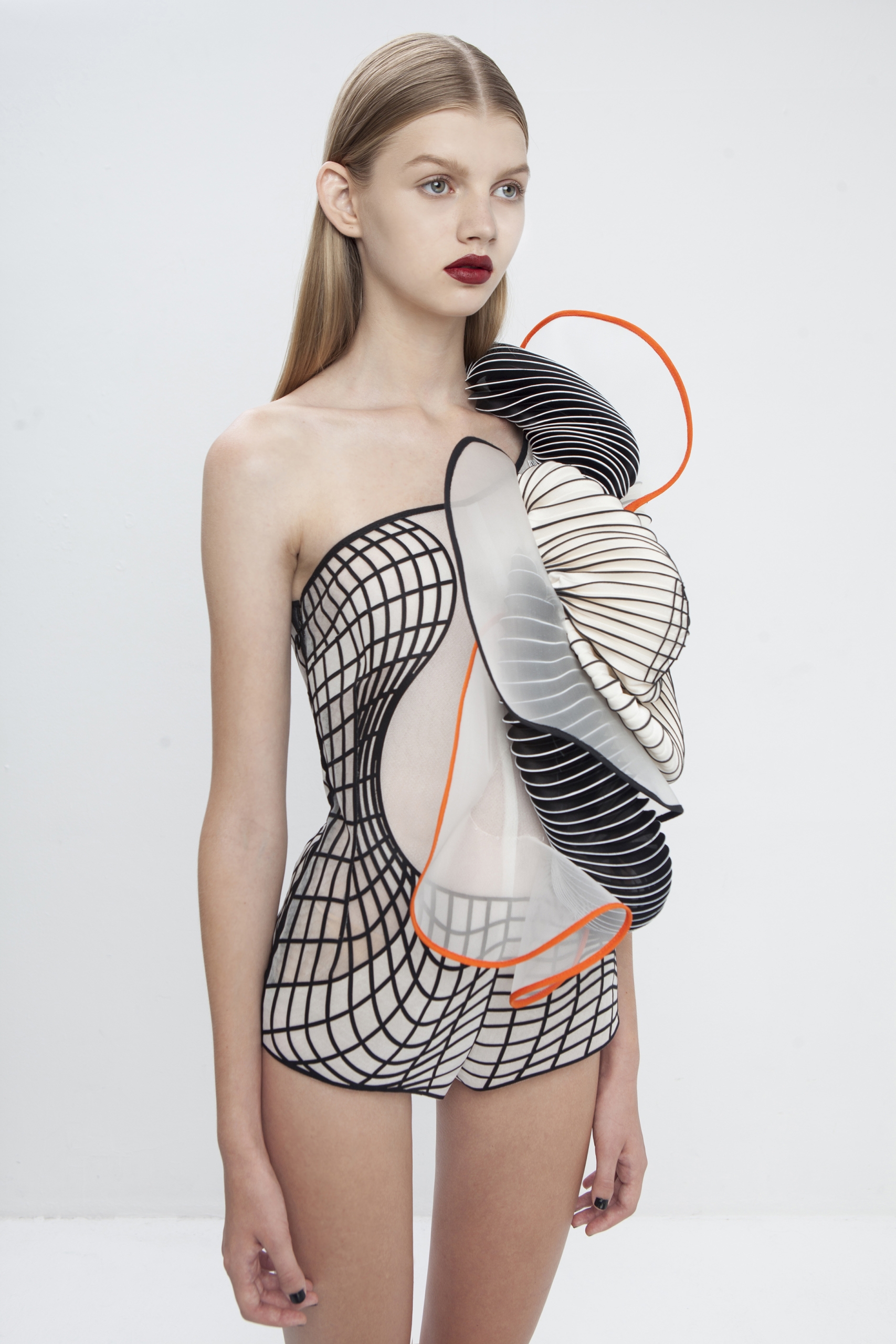
Bodysuit from Hard Copy collection
Noa Raviv (born 1987)
Israeli, 2014
Silk, polyester, tulle, cotton, beads, and 3D printed elements
*Work by Noa Raviv
*Garments by Noa Raviv, photos by Ron Kedmi
*Courtesy, Museum of Fine Arts, Boston
As technology continues to evolve and environmental awareness grows, fashion design is entering a new chapter. Innovation, sustainability, and inclusivity are expected to define the next generation of fashion, ensuring the industry remains both culturally influential and environmentally responsible.
From the pioneering vision of Charles Frederick Worth to today’s digital fashion ecosystem, the evolution of fashion design reflects changing societies, technological progress, and the enduring power of creativity. | Team


















At the moment there is no comment