
AHY Wears Deli Malay Attire at State Palace, Datok Yan Djuna’s Work Draws Attention

info Adjust the font size of this article to get the best reading experience.
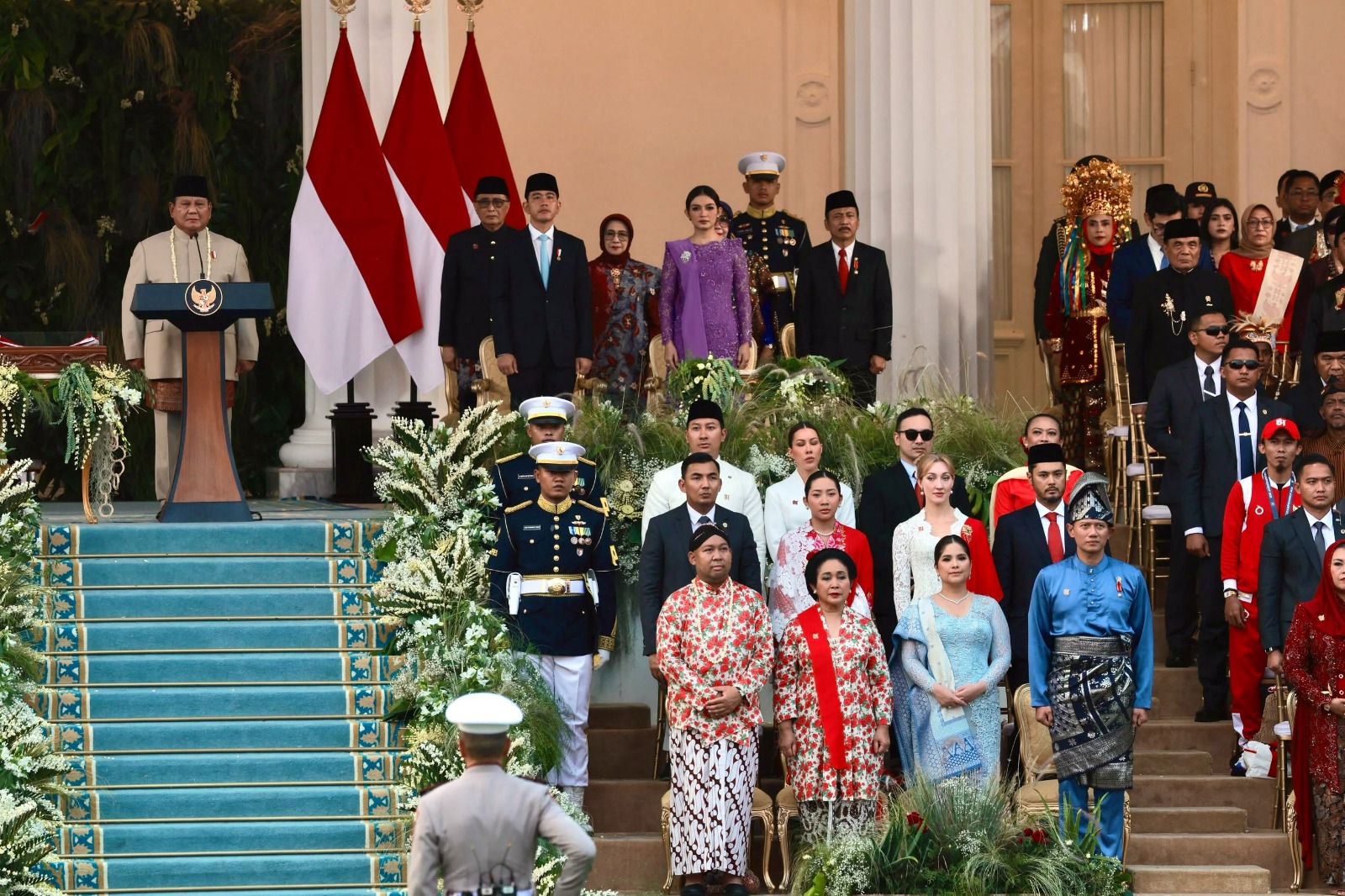
The Royal Blue Deli Malay attire worn by AHY during the Indonesian Independence Day flag-lowering ceremony at the State Palace carries a story of cultural heritage, local craftsmanship and the empowerment of Malay MSMEs.
MEDAN — The Deli Malay attire worn by Coordinating Minister for Infrastructure and Regional Development Agus Harimurti Yudhoyono (AHY) during the flag-lowering ceremony at the State Palace on August 17, 2026, has drawn attention not only for its elegant appearance but also for the cultural story behind it.
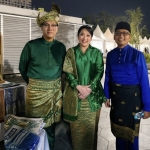
AHY appeared alongside his wife, Annisa Pohan, wearing traditional attire in matching tones during the ceremony commemorating the 81st Anniversary of the Republic of Indonesia’s Independence.
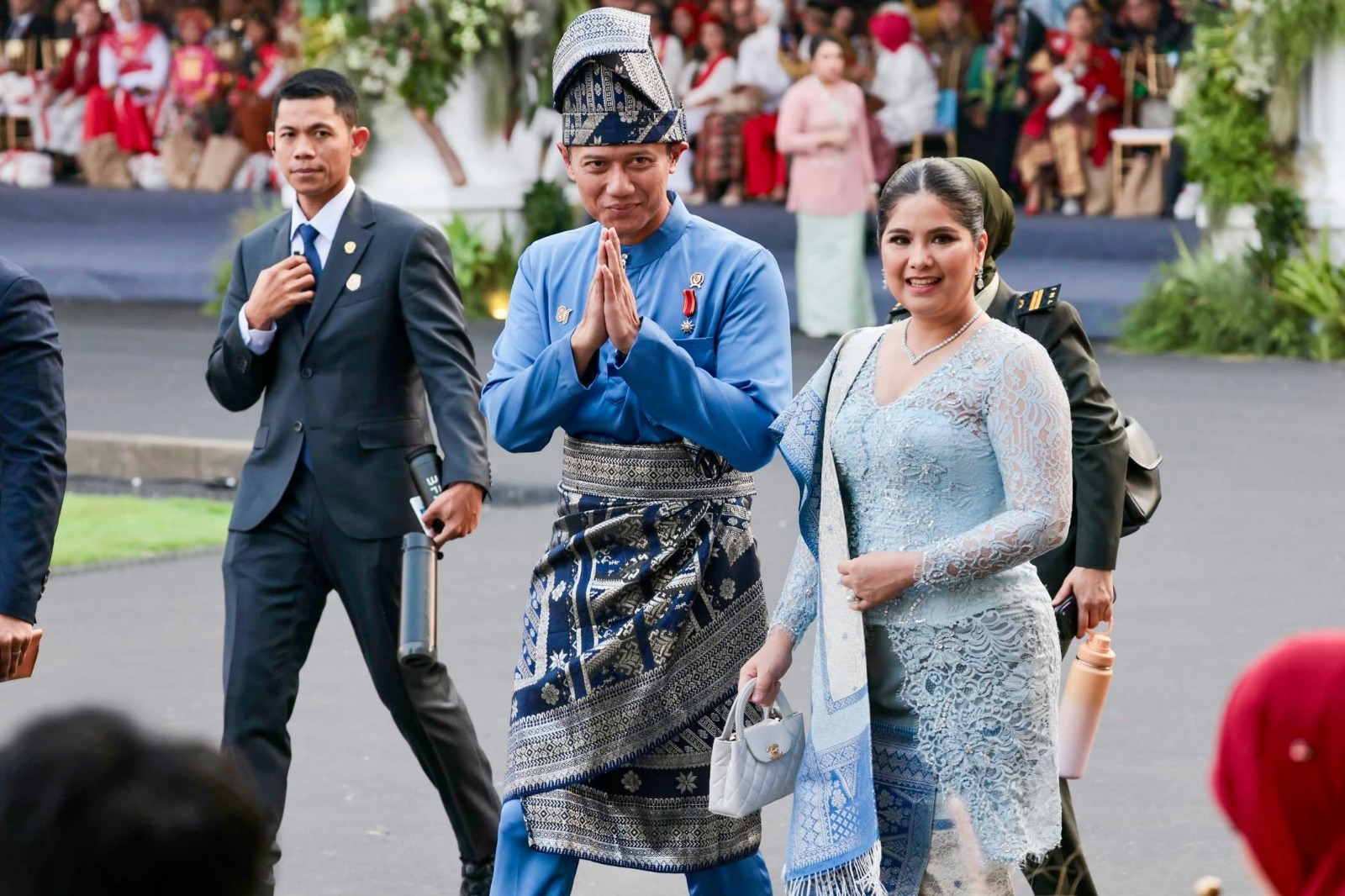
Agus Harimurti Yudhoyono (AHY) – Center.
Behind the Royal Blue outfit was the involvement of Datok Yan Djuna, a Deli Malay cultural figure from the Kejeruan Metar Bilad Deli. The attire was originally prepared for AHY ahead of a planned dialogue with eight Malay sultanates in North Sumatra.
The initiative began with a request from North Sumatran community figure H. Irmansyah Lubis to Datok Yan Djuna to help prepare traditional Deli Malay attire for AHY.
The eight sultanates involved were the Sultanates of Asahan, Bilah, Deli, Serdang, Kotapinang, Kualuh, Langkat and Panai. The planned dialogue was intended to provide a forum for discussions concerning history, customary land, cultural heritage and matters related to the Malay sultanates of North Sumatra.
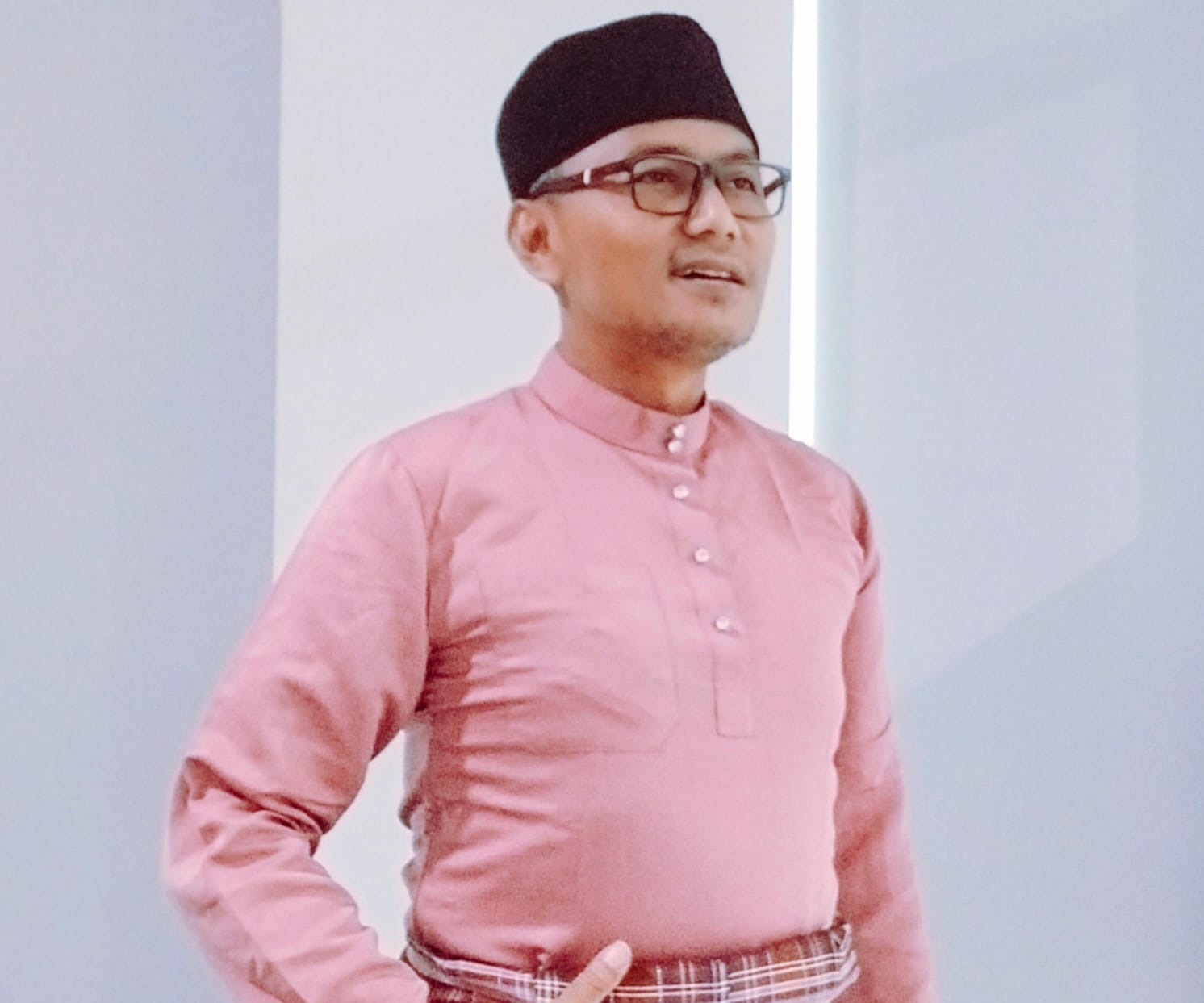
Datok Yan Djuna
Datok Yan Djuna was involved in determining various elements of the outfit, including the fabric, color, songket motifs and traditional accessories.
The Royal Blue color was selected to create an elegant and dignified appearance. The outfit was complemented by a songket kain samping and a traditional Malay headpiece known as the Tengkulok Mahkota Alam.
The production process also involved several Malay MSME artisans, including tailors and craftsmen specializing in traditional accessories. The clothing measurements were adjusted according to information provided by the protocol team, while the tengkulok and other accessories were specially crafted.
The Tengkulok Mahkota Alam became one of the most distinctive elements of the outfit. In Malay cultural tradition, the tengkulok is more than a headpiece. Its form can carry symbolic meanings associated with leadership, dignity, discipline, determination and respect for cultural values.
Traditional Deli Malay men’s attire generally features a baju kurung with a Cekak Musang collar. The design can be complemented by five buttons, which are commonly associated in Malay tradition with the five pillars of Islam.
The kain samping is likewise not merely a decorative accessory. Within Malay cultural values, it represents dignity, honor, modesty and the preservation of personal and family reputation.
Interestingly, the outfit initially prepared for AHY’s dialogue with the eight sultanates was not worn at that meeting.
After AHY concluded the 18th National Working Meeting of the Association of Indonesian Municipalities (APEKSI) 2026 in Medan on July 2, the outfit was subsequently taken to Jakarta.
Unexpectedly, the Deli Malay attire found its way onto a much larger national stage: the flag-lowering ceremony at the State Palace on August 17, 2026.
For Datok Yan Djuna, seeing a cultural creation rooted in Deli Malay tradition being worn by a state official at a major national ceremony was an emotional moment.
“It is difficult to put the feeling into words. I felt happy, proud and deeply moved when I saw Malay attire from the Deli homeland being worn during such a historic moment and witnessed by millions of people,” Datok Yan Djuna said.
He emphasized that the significance of the moment extended beyond fashion. According to him, the appearance of Deli Malay attire at the State Palace represented recognition for local cultural heritage as well as the artisans and MSMEs involved in producing it.
“I am also very happy to have had the opportunity to present the Tengkulok Mahkota Alam and songket, supported and created by Malay MSME artisans, as a keepsake for AHY through H. Irmansyah Lubis, who served as the host,” he said.
Datok Yan Djuna is known as a Deli Malay cultural advocate from Kejeruan Metar Bilad Deli. He has also been active in cultural programs, including the Resam Melayu program on RRI Pro 4 FM Medan, as well as various activities promoting the history and heritage of Deli Malay culture.
For him, AHY’s appearance in Deli Malay attire demonstrates that regional traditions do not have to remain confined to customary ceremonies or cultural communities.
“This is not merely about clothing. It is about how the work and cultural heritage of the Deli homeland can be recognized, appreciated and brought into the national sphere. We want to prove that tradition, artisan creativity and the work of people from the Deli homeland can stand proudly on Indonesia’s national stage,” he said.
He hopes the growing attention toward Deli Malay attire will lead to broader opportunities for artisans, MSMEs, artists, cultural practitioners and younger generations.
The moment AHY wore the Royal Blue Deli Malay attire at the State Palace therefore carried a message beyond appearance. It demonstrated how local heritage, traditional craftsmanship and creative economic activities can converge in a national setting.
From Medan to Jakarta, an outfit initially prepared for a cultural dialogue ultimately appeared at one of Indonesia’s most significant state ceremonies. Its journey tells a broader story: that cultural heritage from the regions can continue to evolve, gain national recognition and remain relevant in modern Indonesia.
Editor – Ray
- Author: Ray











At the moment there is no comment