
Life Returns to Bandar Abbas as Residents Rebuild After Iran–US Conflict in the Strait of Hormuz

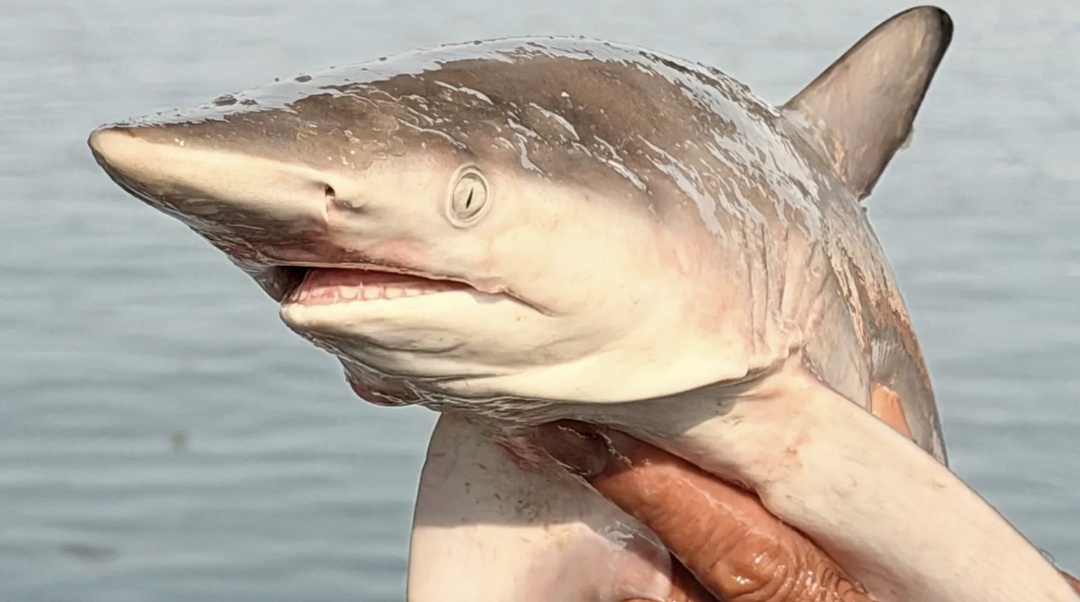
Local fishermen have resumed fishing in the waters surrounding Bandar Abbas.
info Adjust the font size of this article to get the best reading experience.
BANDAR ABBAS, Iran — Fishing boats are once again setting sail from the port of Bandar Abbas as daily life slowly resumes following months of heightened military tensions in the Strait of Hormuz, one of the world’s most strategically important maritime corridors.
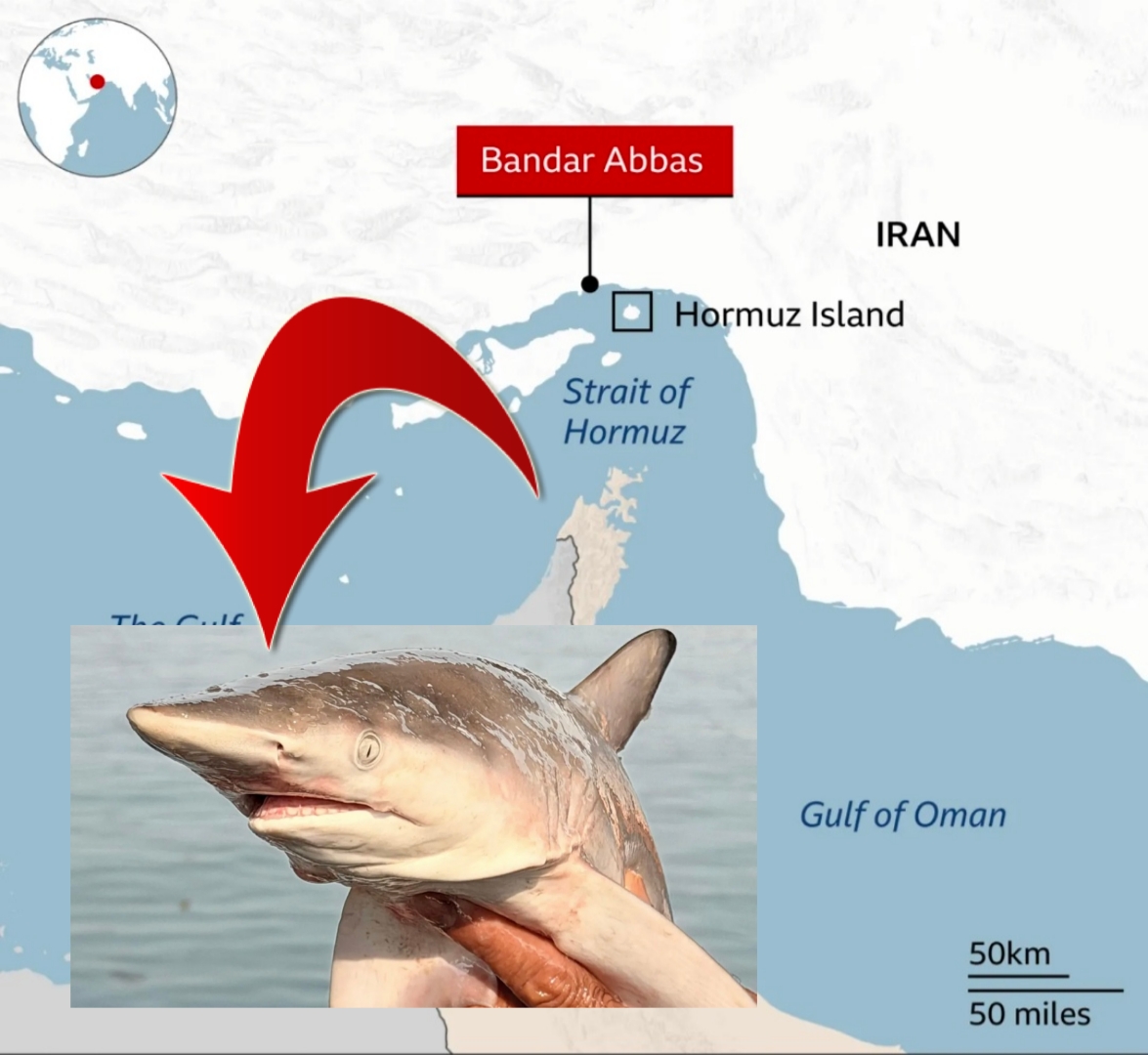
Although a ceasefire has eased hostilities between Iran, the United States, and Israel, the scars of war remain visible throughout the southern Iranian port city, which serves as a critical gateway for global energy shipments.
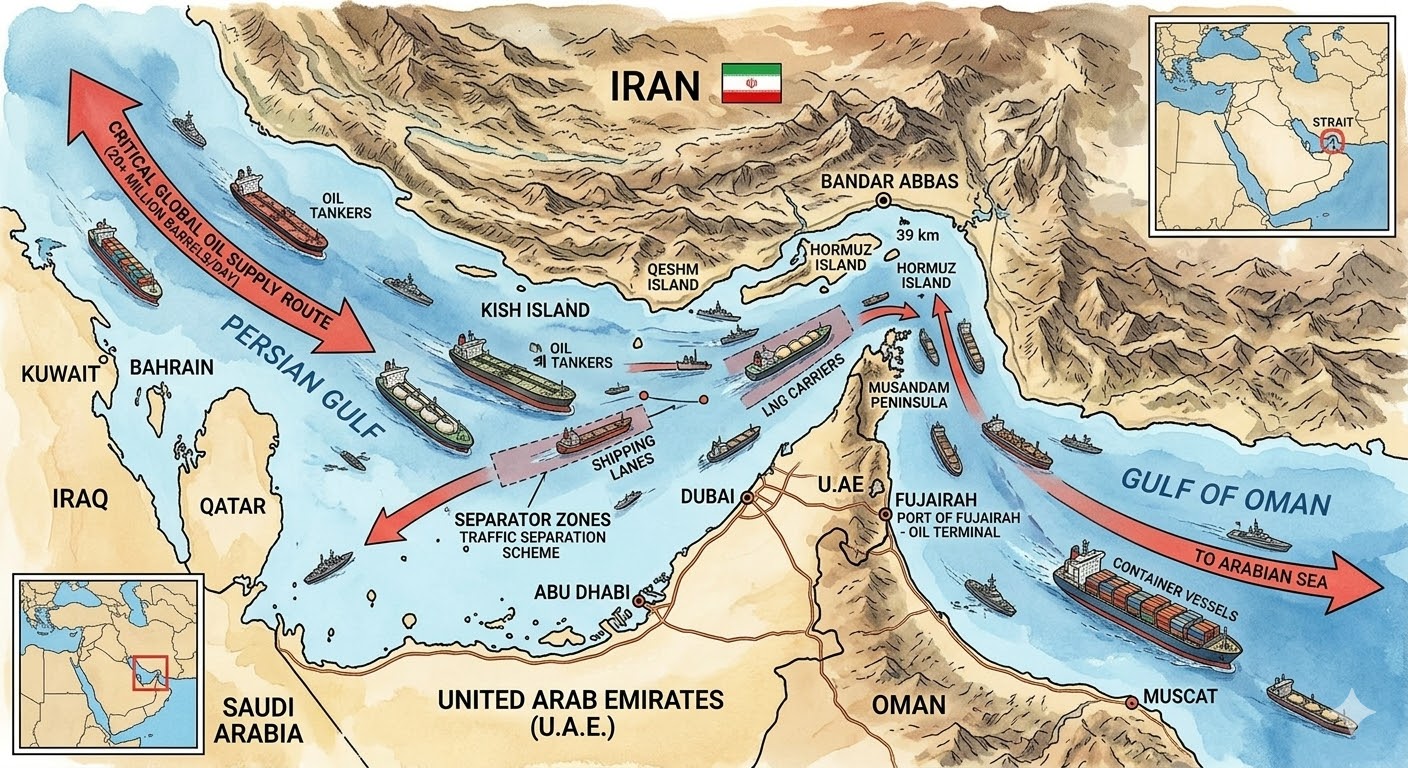
According to a report by the BBC, Bandar Abbas became the first location on the Iranian side of the Strait of Hormuz visited by international journalists since the conflict erupted. Under normal conditions, the narrow waterway carries nearly one-fifth of the world’s oil and gas trade, making any disruption a major concern for global markets.
At the height of the conflict, Iran’s Islamic Revolutionary Guard Corps (IRGC) imposed strict controls on commercial vessels transiting the strait without authorization, effectively halting maritime traffic. The restrictions contributed to a sharp rise in global oil prices and disrupted international supply chains.
Meanwhile, the United States responded by restricting vessels linked to Iranian ports in the Gulf, leaving many local fishermen unable to work as the surrounding waters became an active conflict zone.
Following the ceasefire, limited maritime traffic has resumed, allowing fishermen to gradually return to sea. However, several cargo ships are still waiting for clearance from Iranian authorities before entering the strategic waterway.
The BBC also reported that two container ships seized by the IRGC in April remain anchored near Bandar Abbas and have yet to be released. Iranian authorities previously accused the vessels of violating maritime regulations and posing security risks.
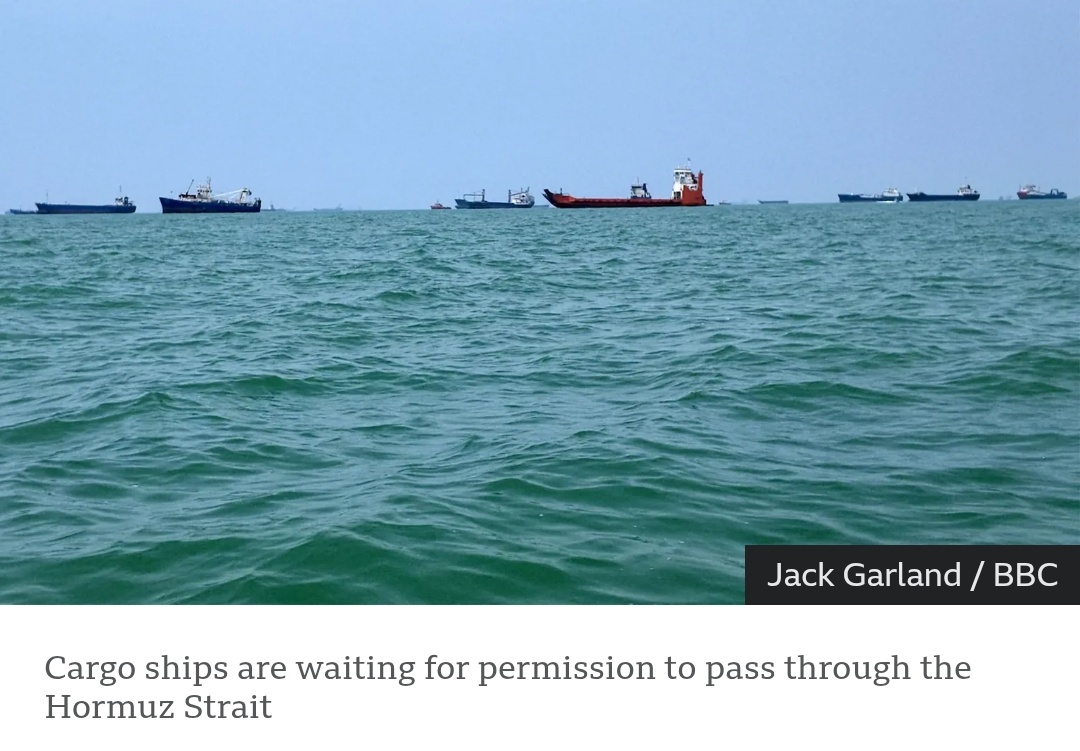
Bandar Abbas holds immense strategic importance for Iran, serving not only as the country’s principal commercial port but also as the headquarters of the Iranian Navy and the IRGC naval forces. As a result, the city became a key target during the conflict.
Evidence of the fighting remains visible across the city. A residential apartment complex on Khushnoodi Street, struck during an Israeli airstrike on March 26, lies partially collapsed, with one section reduced to rubble while the remainder of the structure stands severely damaged.
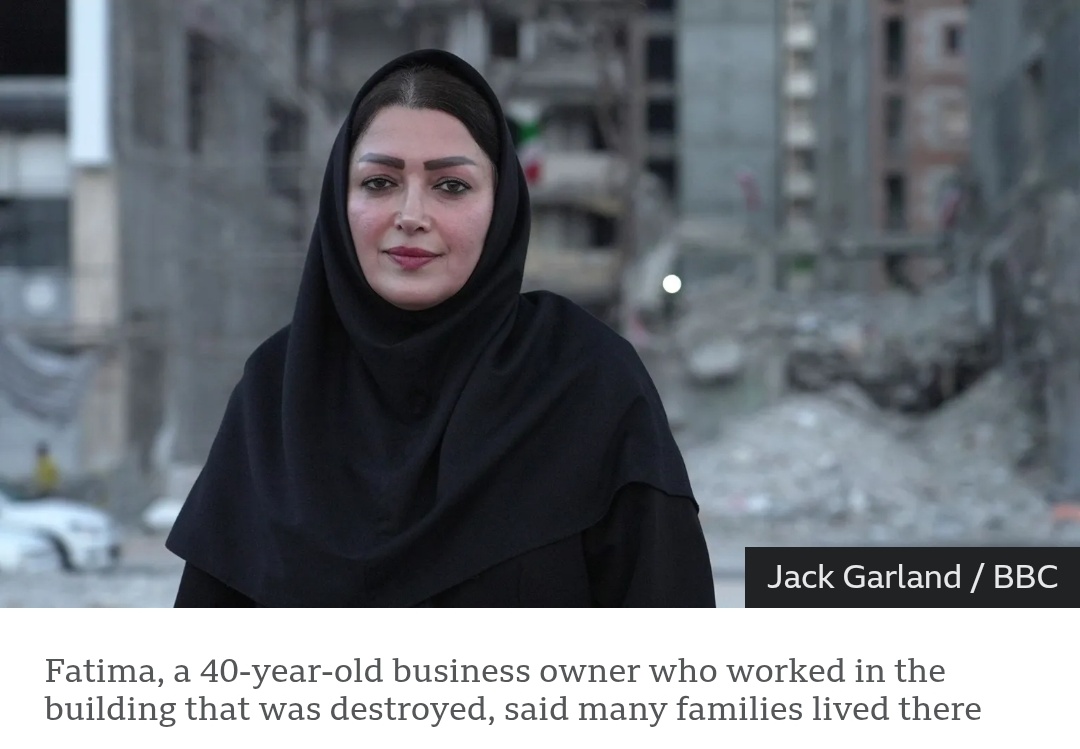
Fatima, a 40-year-old business owner whose office was located inside the building, said many civilian families lived there.
“I knew many of the families who lived here. Mothers and children were asleep when the strike happened. Three people were killed, including a military officer who lived there with his family. But this was not a military base,” she told reporters.
Israel said the strike targeted IRGC Navy Commander Alireza Tangsiri. Four days later, Iranian authorities confirmed that Tangsiri had been killed in the attack.
Data from the Armed Conflict Location and Event Data Project (ACLED) indicate that at least 96 U.S. airstrikes were carried out around Bandar Abbas before the ceasefire took effect on April 8. Most targeted military infrastructure, including IRGC facilities, missile sites, naval assets, and nearby air bases located close to residential neighborhoods.
The Iranian Red Crescent reported that at least 261 people were killed across Hormozgan Province during the conflict, including both civilians and military personnel.
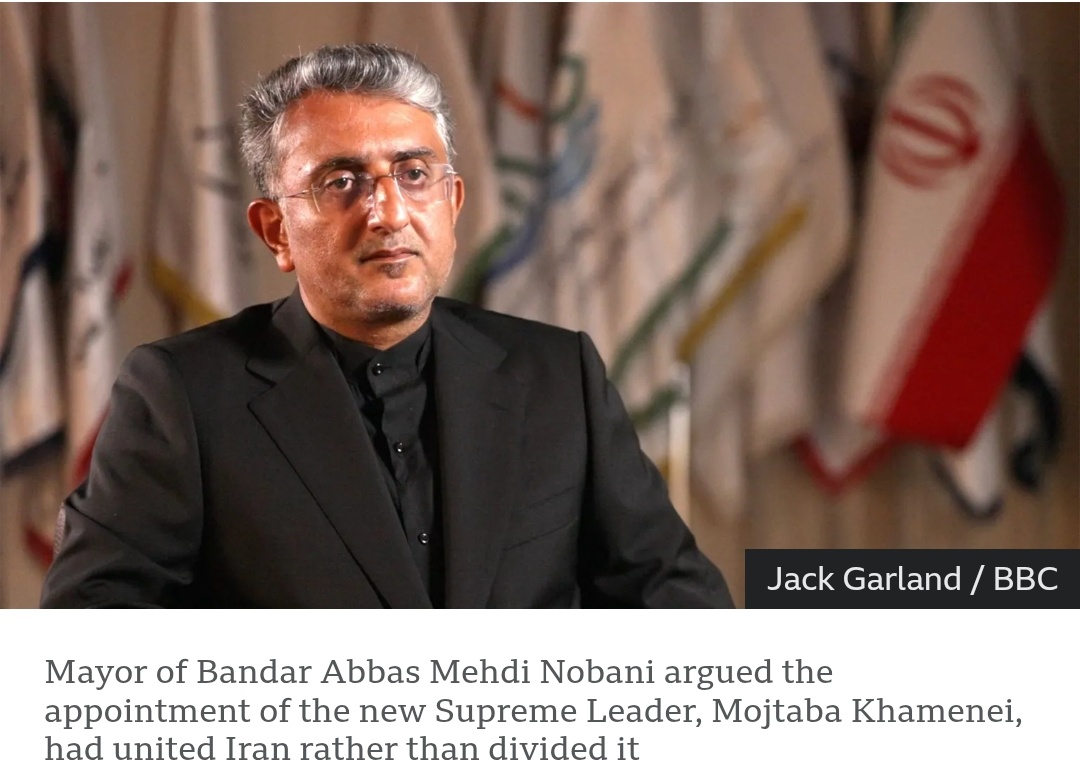
Despite the destruction, Bandar Abbas Mayor Mehdi Nobani insisted that Iran had not emerged weakened by the war. He argued that the United States and Israel failed to achieve their primary objectives, including efforts to destabilize Iran’s government.
Nobani also warned that if the ceasefire were to collapse, Iran would not hesitate to close the Strait of Hormuz once again.
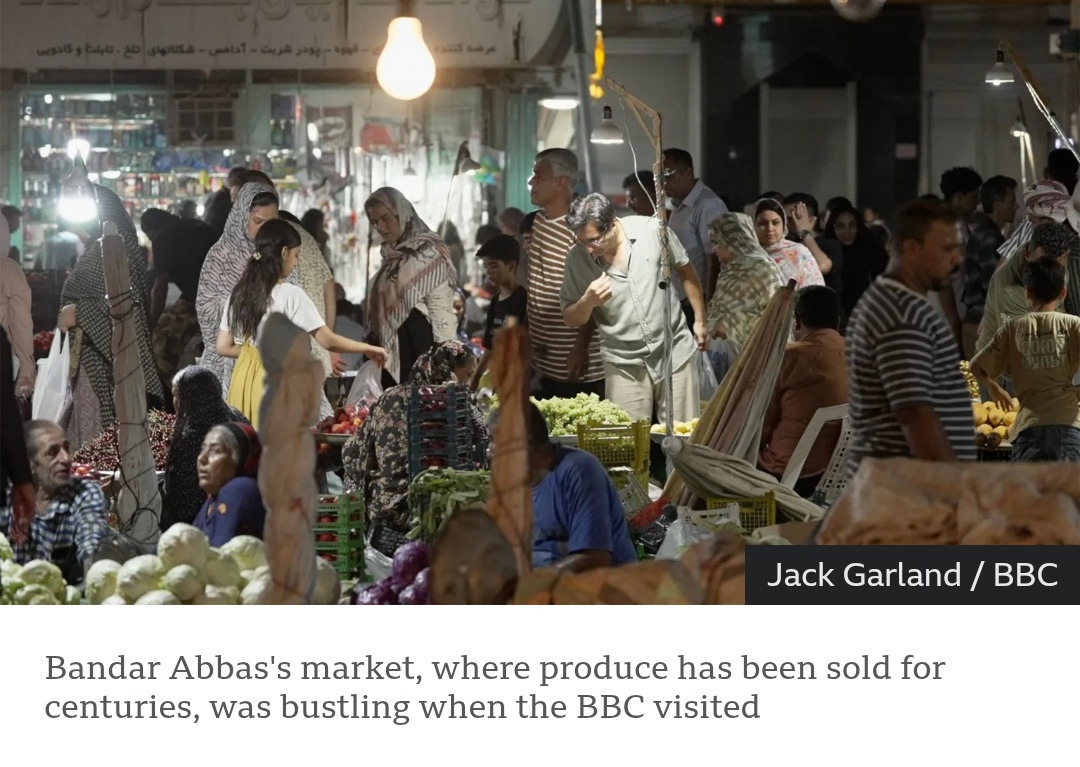
In the city’s traditional markets, signs of recovery are beginning to emerge. Shops have reopened, commercial activity has resumed, and residents are cautiously returning to everyday life. Yet the economic burden remains heavy for many families.
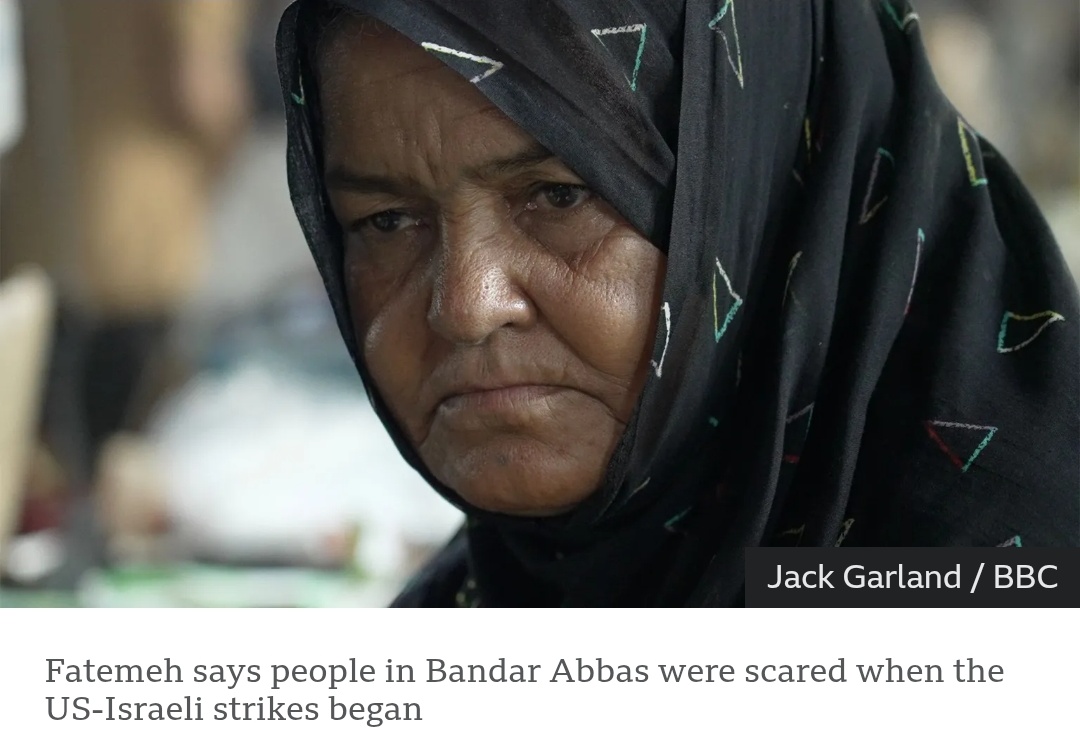
Fatemeh, a 55-year-old fruit vendor, said her family now depends solely on her income after her son lost his job during the conflict.
“We never wanted war. When the bombs fell, we were terrified. We only want to live in peace,” she said.
Another resident, Masoumeh, said every war leaves lasting consequences.
“War affects everyone’s economy and daily life. We can only hope this truly comes to an end.”
While shipping activity through the Strait of Hormuz is gradually recovering, analysts believe the waterway will remain a focal point in future Iran–U.S. relations. For the people of Bandar Abbas, however, peace is measured less by diplomatic agreements than by the opportunity to work, rebuild, and live without the constant fear of airstrikes.
Source: BBC
















At the moment there is no comment